From scalp PRP to nutrition and lab testing—because healthy hair starts beneath the surface
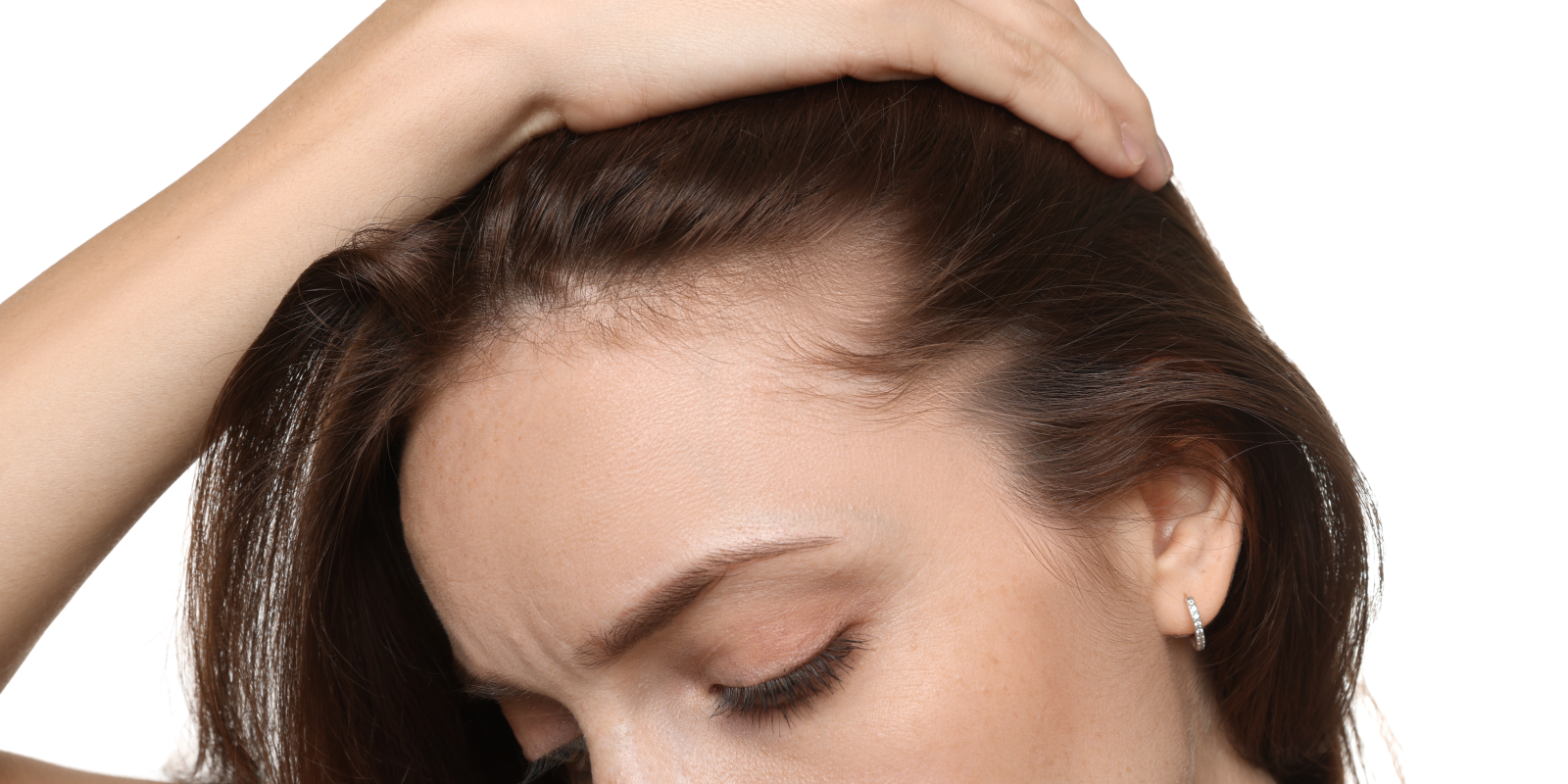
Hair loss can be surprisingly emotional.
You notice more hair in the shower. Your ponytail feels thinner. Your part seems wider. Maybe you are finding strands everywhere and wondering, Why is this happening to me?
For many people, the first instinct is to look for something to put on the scalp.
One of the treatments we offer is platelet-rich plasma (PRP), which can be extremely beneficial. However, at RMEDY, we believe hair loss deserves a bigger question:
Why is your hair changing in the first place?
Because while treatments such as PRP may support hair growth, they don’t necessarily address the underlying factors contributing to hair loss.
PRP: A Tool for Supporting the Hair Follicle
Platelet-rich plasma, or PRP, is a treatment that uses a person’s own blood. A small amount of blood is drawn, processed to concentrate platelets, and then injected into areas of the scalp affected by thinning.
Platelets contain growth factors involved in tissue repair and signaling. The goal of scalp PRP is to create an environment that supports the activity of existing hair follicles.
Research suggests that PRP can increase hair density in people with androgenetic, or pattern, hair loss. Several systematic reviews and meta-analyses have reported improvements in hair density compared with placebo or baseline measurements.
PRP may be helpful—but it isn’t necessarily the whole answer.
A successful hair restoration strategy should also ask what is happening inside the body.
Hair Loss Is a Symptom, Not a Diagnosis
There isn’t just one type of hair loss.
Thinning can be associated with genetics, hormonal changes, nutritional deficiencies, thyroid dysfunction, illness, significant stress, rapid weight loss, medications, inflammatory scalp conditions, and other medical conditions.
Some people also have more than one contributing factor at the same time.
For example, someone may have an underlying tendency toward female-pattern hair loss while also experiencing increased shedding after illness, significant stress, inadequate protein intake, or low iron stores.
That is why simply taking a “hair vitamin” may miss the bigger picture.
The American Academy of Dermatology notes that evaluation may include examining the scalp and hair, assessing the pattern of loss, and using blood testing when a nutritional deficiency, hormonal problem, thyroid disorder, or other medical condition is suspected.
When the Investigation Goes Beyond the Scalp
Treating the scalp is only one part of the picture.
Hair changes can sometimes reflect what is happening elsewhere in the body. Nutrient deficiencies, thyroid function, hormonal changes, stress, rapid weight loss and other health factors may all play a role.
This is where our approach can extend beyond Vancouver Laser.
Through RMEDY Health & Wellness, clients who may benefit from a deeper investigation can explore appropriate lab testing, nutrition and hormone related factors as part of a more comprehensive assessment.
What Can RMEDY Investigate?
At RMEDY, we take an investigate, don’t guess approach.
Rather than automatically recommending supplements, we can help identify factors that may be contributing to hair loss and determine where further medical assessment may be appropriate.
Depending on your history, symptoms, diet, medications, and pattern of hair loss, your clinician may consider laboratory testing such as:
Iron Status
Iron is particularly important for rapidly growing tissues, including hair follicles.
A complete blood count and iron studies—including ferritin—can help identify iron deficiency or depleted iron stores.
Importantly, iron supplementation should not be treated as a universal hair-loss solution. Too much iron can be harmful, which is why testing and individualized recommendations matter.
Thyroid Function
Thyroid dysfunction can contribute to diffuse hair thinning or increased shedding.
When clinically appropriate, thyroid testing can help determine whether thyroid health may be part of the picture.
维生素D
Vitamin D has been investigated extensively in relation to hair disorders. Evidence suggests that deficiency may be associated with certain forms of hair loss, although supplementation is most appropriate when deficiency or inadequate levels are identified.
Zinc and Other Nutrients
Zinc, B vitamins, iron, selenium, and other micronutrients have roles in normal hair follicle function.
A 2024 systematic review found associations between several micronutrient deficiencies or imbalances—including iron, vitamin D, zinc, and certain B vitamins—and androgenetic alopecia, although the evidence is not completely consistent.
Testing should therefore be individualized rather than turning hair loss into a shopping list of supplements.
Nutrition: Feed the Follicle
Your hair follicles are metabolically active structures. Building hair requires adequate energy, protein, vitamins, minerals, and essential fatty acids.
One of the most overlooked pieces of a hair-loss assessment is simply:
Are you eating enough of what your body needs to build hair?
A nutrient-dense hair-supportive diet can emphasize:
- Adequate protein from eggs, fish, poultry, meat, dairy, legumes, tofu, or other protein sources
- Iron-rich foods such as meat, seafood, legumes, lentils, and leafy greens
- Zinc-containing foods including seafood, meat, dairy, legumes, nuts, and seeds
- Foods providing B vitamins
- Vitamin-D-containing foods and appropriate sun exposure or supplementation when indicated
- A wide variety of colorful fruits and vegetables
- Healthy fats from foods such as olive oil, avocado, seeds, and fatty fish
Extreme dieting and inadequate calorie or protein intake can also contribute to increased shedding.
And more is not necessarily better.
High-dose supplements marketed specifically for hair growth can sometimes provide excessive amounts of individual nutrients. The American Academy of Dermatology specifically cautions that taking too much of certain nutrients can actually worsen hair loss or cause other health problems.
The goal isn’t to take every vitamin associated with hair.
The goal is to identify what your body actually needs.The goal is to identify what your body actually needs.
Hormones Matter Too
Hair follicles are sensitive to hormonal signals.
Changes in estrogen, androgen activity, thyroid hormones, and other endocrine factors can influence the hair-growth cycle.
This is one reason hair thinning can become particularly noticeable during periods of hormonal transition such as peri/post menopause
A detailed history—including timing of hair loss, menstrual or reproductive changes, medications, family history, recent illness, weight changes, and other symptoms—can provide important clues.
Laboratory testing should be guided by the individual’s presentation.
Building a Hair Restoration Strategy
At RMEDY, the goal isn’t to choose one magic treatment.
It is to build a strategy around the individual.
That may include:
1. Identify the pattern
Is this diffuse shedding, pattern thinning, patchy loss, breakage, or something else?
2. Look for underlying contributors
Nutrition, iron status, thyroid function, hormonal factors, medications, illness, stress, and other relevant factors may need consideration.
3. Correct deficiencies
If testing identifies a deficiency, targeted nutritional correction may be appropriate.
4. Optimize nutrition
Adequate protein, calories, micronutrients, and overall dietary quality provide the building blocks for healthy hair.
5. Consider scalp-directed treatments
For appropriate candidates, treatments such as PRP may be considered as part of a broader hair restoration plan. Evidence suggests potential benefit, but results vary and treatment protocols are not standardized.
6. Know when to refer
Certain patterns of hair loss require dermatologic assessment. Scarring alopecias, significant inflammation, sudden patchy loss, or unexplained progressive hair loss should be evaluated medically because early diagnosis can be important for preserving follicles.
Your Hair Is Giving You Information
Hair loss isn’t simply a cosmetic problem.
Sometimes it is the first visible sign that something has changed internally.
Rather than immediately reaching for another supplement, another shampoo, or another treatment, consider asking:
What is my hair trying to tell me?
At RMEDY, we believe the answer starts with investigation.
Assess the pattern.
Look beneath the surface.
Test when appropriate.
Correct what is missing.
Nourish the body.
Then choose the right treatment.
Because healthy hair isn’t just about stimulating the follicle.
It’s about creating the conditions in which the follicle can thrive.
Not Sure Where to Start?
If your main concern is hair thinning or scalp health, our Vancouver Laser team can help you explore available hair restoration treatments, including scalp PRP.
If your hair changes may be connected to nutrition, hormones or other internal health factors, RMEDY Health & Wellness can provide a more in depth assessment.