
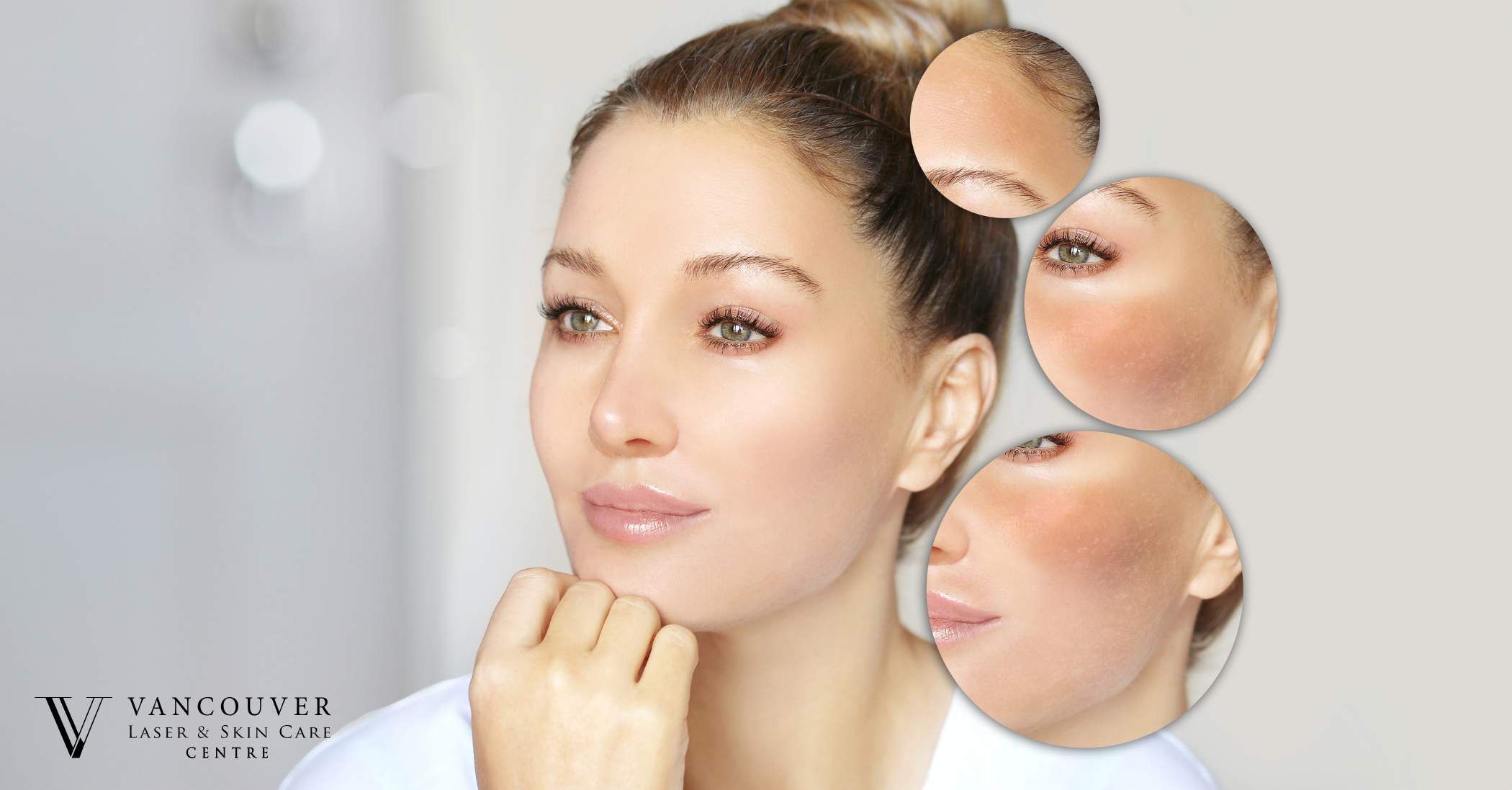
Melasma is a common skin condition marked by dark, discolored patches on the face. Often linked to hormonal changes, sun exposure, or genetics, it can cause frustration and impact self-confidence for many. While not harmful, its persistent and noticeable nature often leads individuals to seek effective treatments.
In this blog, we’ll explore the most effective solutions for managing melasma, from topical treatments to advanced dermatological procedures. Our goal is to help you find the approach that works best for achieving a clearer, more even complexion.
Understanding the Triggers of Melasma
Melasma is often caused by an overproduction of melanin, the pigment responsible for skin color. While its exact cause remains unclear, several factors are known to trigger or worsen the condition:
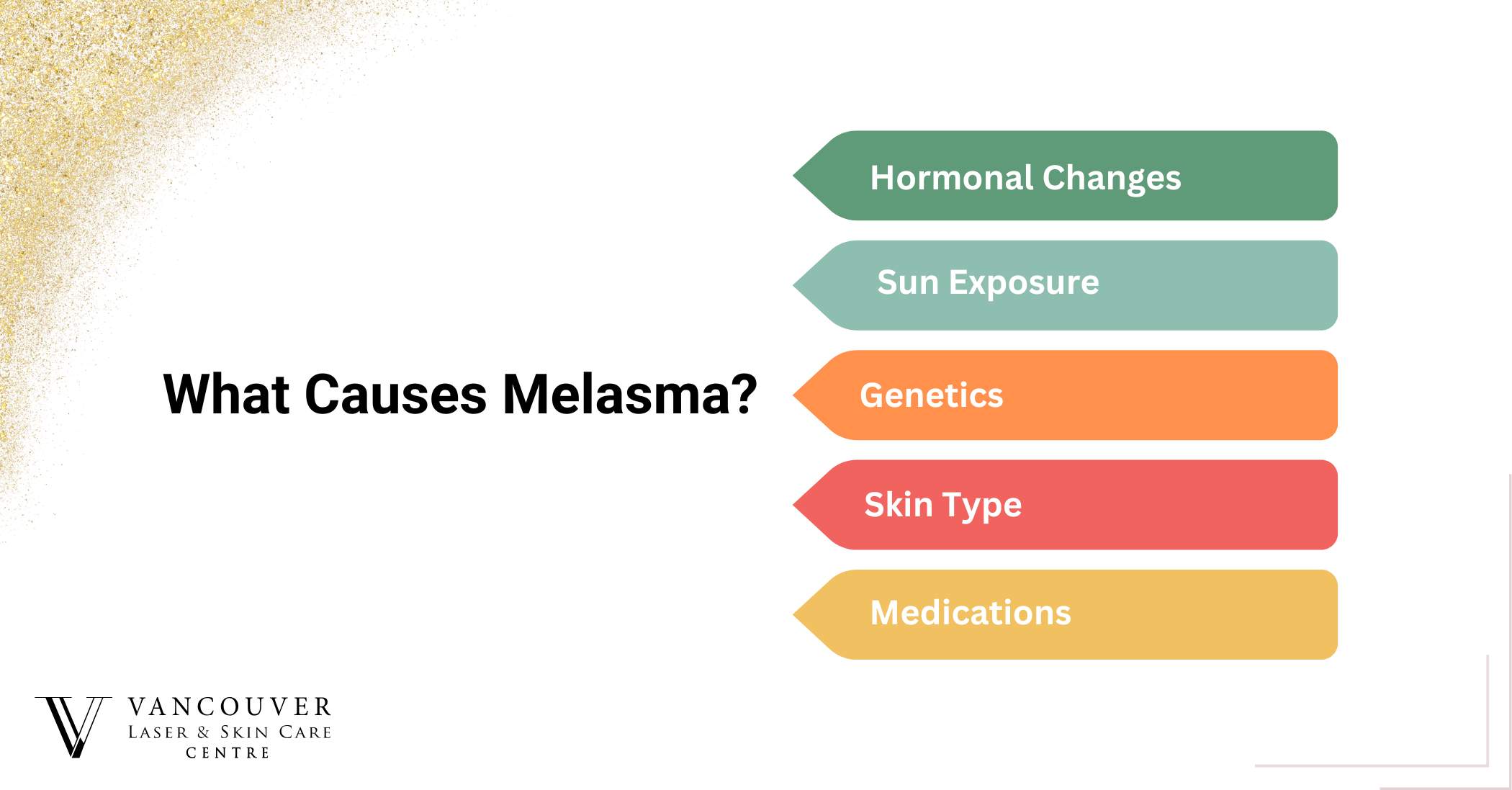
Hormonal Changes
Fluctuations in hormones, especially during pregnancy (commonly called the “mask of pregnancy”), birth control use, or hormone replacement therapy, are major triggers for melasma.
Sun Exposure
Ultraviolet (UV) rays are among the most significant contributors. Prolonged exposure stimulates melanocytes, resulting in dark patches.
Genetics
A family history of melasma increases your likelihood of developing the condition.
Skin Type
Individuals with medium to dark skin tones are more prone to melasma due to higher melanocyte activity.
Medications
Certain drugs, such as oral contraceptives or pregnancy-related medications, can heighten melasma risks.
Can melasma be prevented?
While melasma cannot be completely prevented in individuals predisposed to it due to genetics, skin tone, hormonal factors, or sun exposure, certain steps can help minimize flares and reduce recurrence after treatment:
- Avoid Direct Sun Exposure: Stay out of the sun during peak hours, typically between 10 a.m. and 4 p.m.
- Use High-SPF Sunscreens: Apply a broad-spectrum sunscreen with a high SPF daily and reapply frequently, even on cloudy days.
- Limit Hormonal Medications: If possible, avoid hormone-based medications that may trigger melasma.
Ultimately, strict sun protection remains the cornerstone of every effective melasma treatment plan, supporting long-term skin health and minimizing dark patches.
Treating Melasma: A Comprehensive Approach
Treating melasma can be challenging and often requires a combination of approaches tailored to individual needs. Here are the most effective treatment options:

Topical Creams
Prescription-strength topical treatments are typically the first line of defense against melasma:
- Hydroquinone: A widely used skin-lightening agent that inhibits melanin production to fade dark spots.
- Tretinoin: A retinoid that speeds up skin cell turnover, helping reduce pigmentation.
- Corticosteroids: Reduce inflammation and lighten affected areas, often used in combination with other creams.
- Azelaic Acid: Brightens the skin and is effective for treating both melasma and acne-related pigmentation.
Laser Treatments
Laser therapy is a highly effective option for treating melasma, particularly in more persistent cases. Popular laser treatments include:
- Fractional CO2 Laser: Targets deeper skin layers to reduce pigmentation.
- The MOXI™: The MOXI™ laser treatment is safe for all skin types and is widely recognized as a versatile option for skincare. This customizable treatment helps to even out your skin tone, smooth the appearance of pores, and manage Melasma, all contributing to that “glowing skin” you have always dreamed of.
- Picosecond Laser: A newer option that breaks down melanin particles more efficiently, minimizing damage to surrounding skin.
- PicoWay®: The PicoWay® is an effective and gentle solution for reducing unwanted pigmentation, acne scars, and fine lines and wrinkles. This picosecond laser technology delivers photoacoustic energy—mechanical energy—within a trillionth of a second, making it safe for all skin types.
- Broad Band Light (BBL): BBL™ represents the latest advancement in intense pulsed light (IPL) therapy, often referred to as the “Gold Standard” for pigmentation reduction. This innovative treatment effectively minimizes dark spots and uneven skin tone, making it a popular choice for melasma management.
Sylfirm X
Sylfirm X is a groundbreaking treatment that combines microneedling with RF (radiofrequency) technology to address multiple skin concerns. It enhances skin laxity, texture, and tone while reducing the appearance of scars. By specifically targeting discoloration and promoting collagen regeneration, Sylfirm X is an effective solution for treating pigmentation issues, including melasma.
Chemical Peels
Chemical peels, such as glycolic acid or salicylic acid, exfoliate the outer skin layers to reveal fresher, more even-toned skin beneath. These peels effectively lighten melasma spots when performed by a professional.
Sun Protection
Sun protection is a critical component of melasma treatment. Daily use of a broad-spectrum sunscreen with SPF 30 or higher prevents darkening of melasma patches and supports the effectiveness of other treatments. Even on cloudy days, consistent application is essential to maintain results.
Which treatment is best for melasma?
The best treatment for melasma depends on its severity and your skin type. Often, a combination of topical creams (like hydroquinone or tretinoin), laser treatments, and chemical peels delivers the best results.
Hydroquinone is a common first-line treatment, known for its effectiveness in lightening dark spots. For stubborn cases, laser treatments like Picosecond or Fractional CO2 lasers can effectively target and break down pigment. Consulting a dermatologist is essential for a customized treatment plan tailored to your needs.
Which facial is best for melasma treatment?
HydraFacial is one of the best options for treating melasma. It deeply cleanses, exfoliates, and infuses the skin with serums that reduce pigmentation.
Professional chemical peels are also effective in exfoliating and fading dark spots. Additionally, BBL™ (Broadband Light) treatments improve skin tone and texture by targeting pigmentation, making them excellent choices for individuals with melasma.
What is the fastest treatment for melasma?
Laser treatments, such as Picosecond or Fractional CO2 lasers, offer the fastest results for melasma. These lasers directly target melanin and can reduce pigmentation within a few sessions, with visible improvements in just weeks.
For even faster results, combining lasers with hydroquinone or chemical peels can accelerate the process. Consistency in treatment and strict sun protection are crucial for lasting results.
Conclusion
Melasma is a common yet challenging skin condition influenced by factors like hormonal changes, sun exposure, and genetics. While it may not be harmful, its persistent nature often impacts self-confidence.
Fortunately, there are various treatments available, including topical creams like hydroquinone and tretinoin, advanced laser therapies such as Picosecond and Fractional CO2 lasers, and chemical peels. Strict sun protection remains essential to prevent flares and support effective treatment.
For those seeking faster and more tailored results, professional options like HydraFacial, BBL™, or customized dermatological treatments offer excellent outcomes. Combining treatments under expert supervision ensures significant improvements in pigmentation, skin tone, and texture.
Our Exclusive Melasma Package
At Vancouver Laser & Skin Care Centre, we’ve designed an exclusive Melasma Package to address this condition effectively. With a personalized approach, cutting-edge technologies, and a dedicated team of experts, our protocol ensures:
- Safe and effective pigment management
- Reduction of melasma patches
- A more even, radiant complexion
- Enhanced skin texture for smoother results
Don’t let melasma affect your confidence. Contact us today to schedule a consultation and explore the transformative power of our melasma treatments. Let us help you achieve the radiant, even-toned skin you deserve.