
Microneedling is a popular, noninvasive cosmetic treatment that stimulates collagen production to rejuvenate the skin. By using fine needles to create tiny injuries on the skin’s surface, it triggers the body’s natural healing process, resulting in smoother, firmer, and more youthful skin.
This treatment is commonly used to reduce the appearance of wrinkles, fine lines, and acne scars, as well as to improve overall skin texture. One of the most frequently asked questions by those considering microneedling is: Does it hurt?
In this blog, we’ll explore the pain associated with microneedling and share tips to minimize discomfort, ensuring a more enjoyable experience.
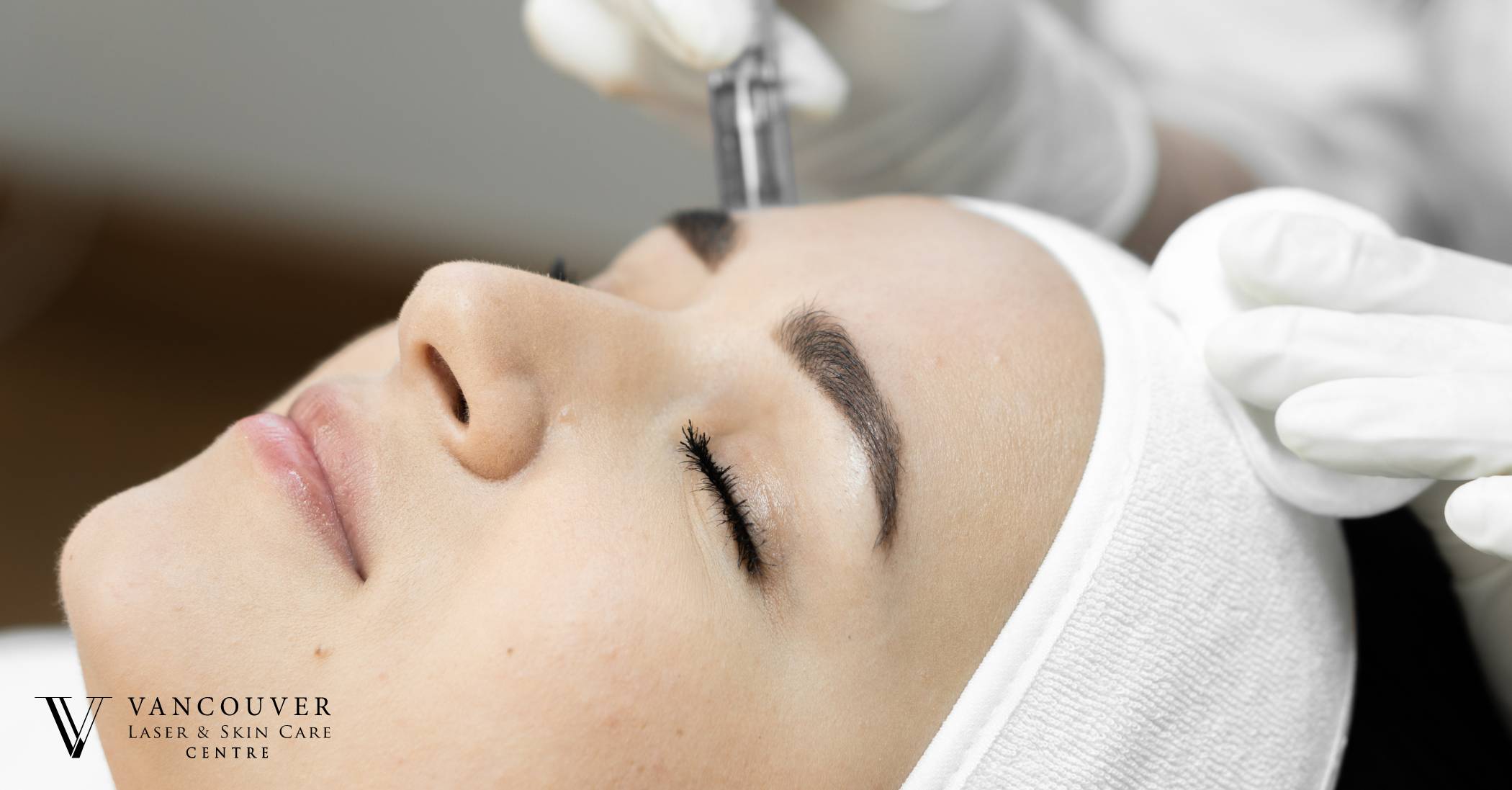
So is there pain associated with microneedling?
Microneedling is generally worth any discomfort you may experience. So, does it hurt? Not really. We apply a numbing cream beforehand to minimize any discomfort during the treatment. Most people report feeling pressure or a scratching sensation, but it shouldn’t be painful. If you do experience discomfort, it will likely be in bony areas such as the jawline, forehead, and hairline.
To further reduce discomfort, it’s advisable to avoid irritating skincare products—like retinol and exfoliants—several days prior to your treatment. If you shave or microblade your face, stop a few days in advance, and the same applies to waxing or using chemical hair removers.
Pain tolerance varies from person to person, but most describe microneedling as feeling similar to an electric toothbrush on the skin or a gentle scratch.
What does microneedling feel like?
Microneedling typically produces a prickly or buzzing sensation in the skin. Most people describe it as light scratching or minor discomfort rather than pain. The intensity of the sensation can vary based on the needle depth and your individual sensitivity; areas like the forehead or near the bones tend to be more sensitive.
After the treatment, you may experience sensations similar to a mild sunburn, including redness and warmth that usually subside within a few hours to a couple of days. Many individuals find this discomfort manageable, and the benefits of microneedling often outweigh the temporary sensations.

How long does your face hurt after a microneedling procedure?
After microneedling, you may experience slight sensitivity or numbness for 24 to 48 hours. This can be alleviated with a light, gentle moisturizer. Your dermatologist will provide a skincare plan to follow starting 24 hours post-procedure.
To ensure proper healing, consider the following:
- Resume Gentle Cleansing: After 24 hours, you can use non-exfoliating cleansers. Avoid harsh cleansers and scrubbing, as they may irritate your skin and reopen tiny wounds.
- Stay Hydrated: Drink plenty of water to support your skin’s recovery.
- Use Sunscreen: Apply SPF daily for two weeks following the procedure, as your skin will be especially sensitive to the sun.
If you have questions about microneedling or would like to schedule an appointment, contact our dermatologist at Vancouver Laser.
Tips for Reducing Pain During Microneedling
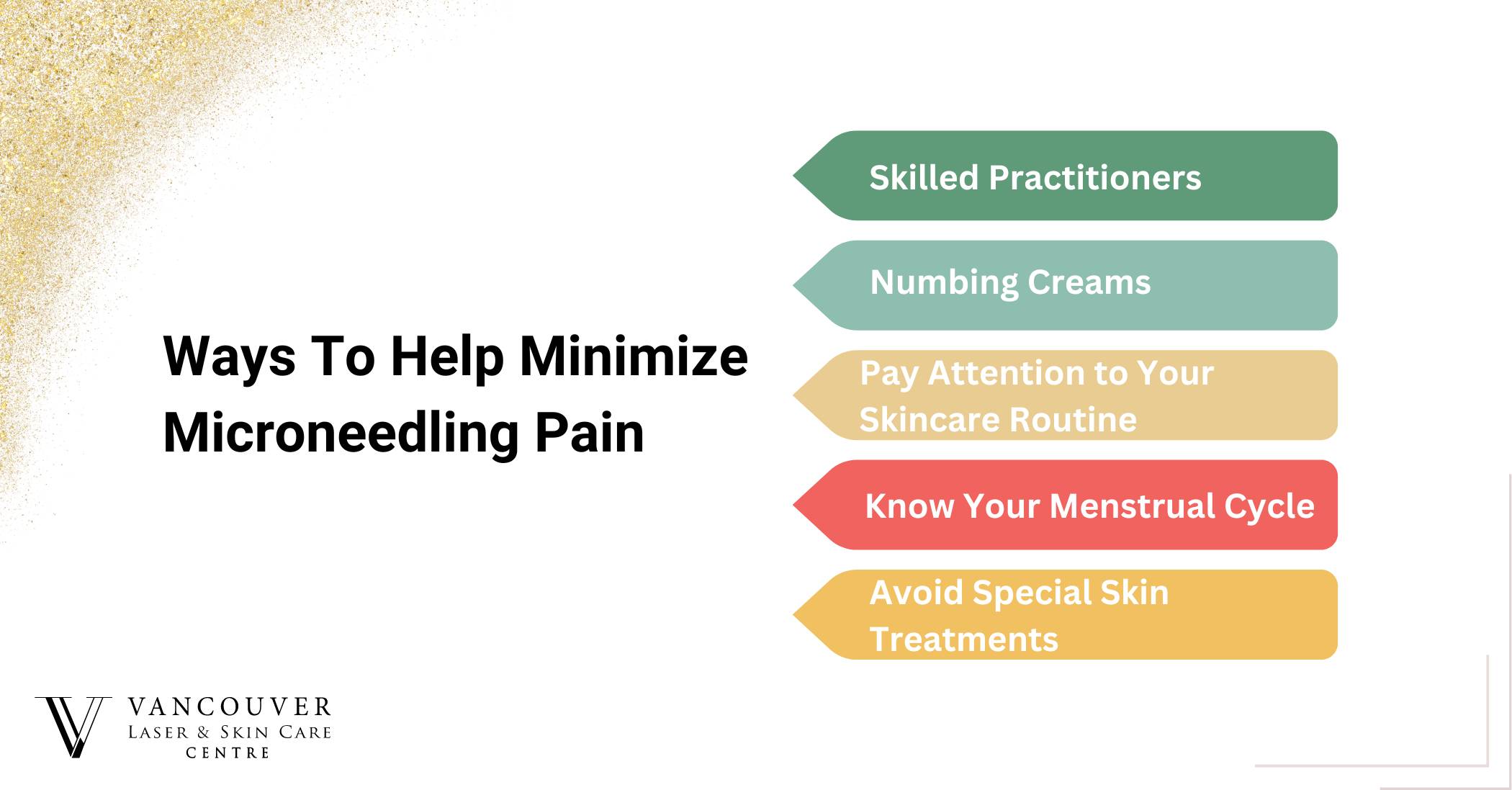
Although microneedling is generally regarded as a low-pain procedure, there are several effective strategies you can implement to minimize discomfort and enhance your overall experience. By following these tips, you can ensure a smoother treatment process and achieve the best possible results.
Expert Practitioners Matter
The comfort level during microneedling largely depends on the expertise of the practitioner performing the procedure. Experienced practitioners know exactly how deep to go and how much pressure to apply based on your skin type and treatment goals. They are adept at minimizing discomfort through smooth and precise movements.
Choosing a skilled provider, like those at Vancouver Laser, ensures not only a more comfortable experience but also a safer and more effective treatment with better results and less pain.
The Role of Numbing Creams
Applying a topical numbing cream is one of the most effective ways to minimize pain during microneedling. Your practitioner will typically apply this cream to the treated area 30 to 45 minutes before the procedure.
This cream temporarily anesthetizes the skin’s nerve endings, significantly reducing the sensation of the microneedles. Most patients report feeling only light pressure or mild tingling by the time treatment begins, making the process much more comfortable.
Optimize Your Skincare Routine
Your skincare routine before and after microneedling can impact the level of discomfort you experience. In the week leading up to the procedure, avoid products containing retinoids, exfoliants, acids, or topical antibiotics.
Instead, use hydrating products with hyaluronic acid and niacinamides a few days before your appointment. Avoid heavy moisturizers during this time, as they can hinder the numbing cream’s effectiveness.
On the day of treatment, do not apply moisturizer, lotion, sunscreen, or makeup to the area. Simply wash your face with a gentle cleanser.
Know Your Menstrual Cycle
Sensitivity can increase during your menstrual period, extending to deeper layers of your skin. Levels of prostaglandins—hormones linked to inflammation—rise in the initial days of your cycle, making your skin more sensitive. If possible, schedule your first microneedling session outside of your period for a more comfortable experience.
Avoid Other Skin Treatments
To minimize discomfort, refrain from any skin treatments for at least two weeks before your microneedling session. This includes chemical peels, laser treatments, electrolysis, waxing, and hair removal creams, as these can irritate the skin and increase sensitivity.
You may shave in the week leading up to your session, but avoid shaving about 24 hours before microneedling to prevent irritation. If you must shave, use shaving cream and moisturize afterward to keep your skin calm.
Is microneedling worth it?
Microneedling is a safe and effective treatment that reduces the size of pores, minimizes acne scars, and diminishes fine lines. It also enhances skin texture on the face, neck, and hands, making it a popular noninvasive option for achieving a youthful appearance.
During the procedure, a specialized pen creates tiny wounds in the skin. These minor injuries stimulate the body’s natural healing process without damaging the skin’s surface. As a result, microneedling promotes collagen production, which firms and increases the skin’s elasticity, significantly improving overall texture.
With its ability to provide noticeable improvements in skin quality, microneedling is often considered a worthwhile investment for those seeking rejuvenation.
Conclusion
While the idea of tiny needles may seem intimidating, microneedling is typically well-tolerated, with minimal and temporary discomfort. Proper pain management techniques, such as topical numbing creams, along with the expertise of skilled practitioners, can enhance comfort during the procedure.
Post-treatment care and adequate skin preparation are essential for a smooth experience and quick recovery.
At Vancouver Laser, we prioritize your comfort and safety. Our team utilizes the latest technologies and expert care to deliver effective results with minimal discomfort. If you’re considering microneedling, contact us to help guide you through the process and customize the experience to meet your unique needs.