When it comes to long-term hair removal, two treatments have always remained at the top, laser hair removal and electrolysis. The American Society for Dermatologic Surgery reports that laser hair removal is becoming more popular, with a nearly 30 percent increase since 2013. While electrolysis is also gaining popularity, it is still less common than laser therapy.
Both laser hair removal and electrolysis are highly effective at reducing unwanted hair, but they differ significantly in their methods, results, and suitability for various skin and hair types.
Whether you’re aiming for smoother skin on a large area or reducing finer, stubborn hairs, understanding the key differences between these treatments will help you make an informed choice, including benefits like fewer ingrown hairs, reduced hair follicles, and thinner roots.
What is laser hair removal?
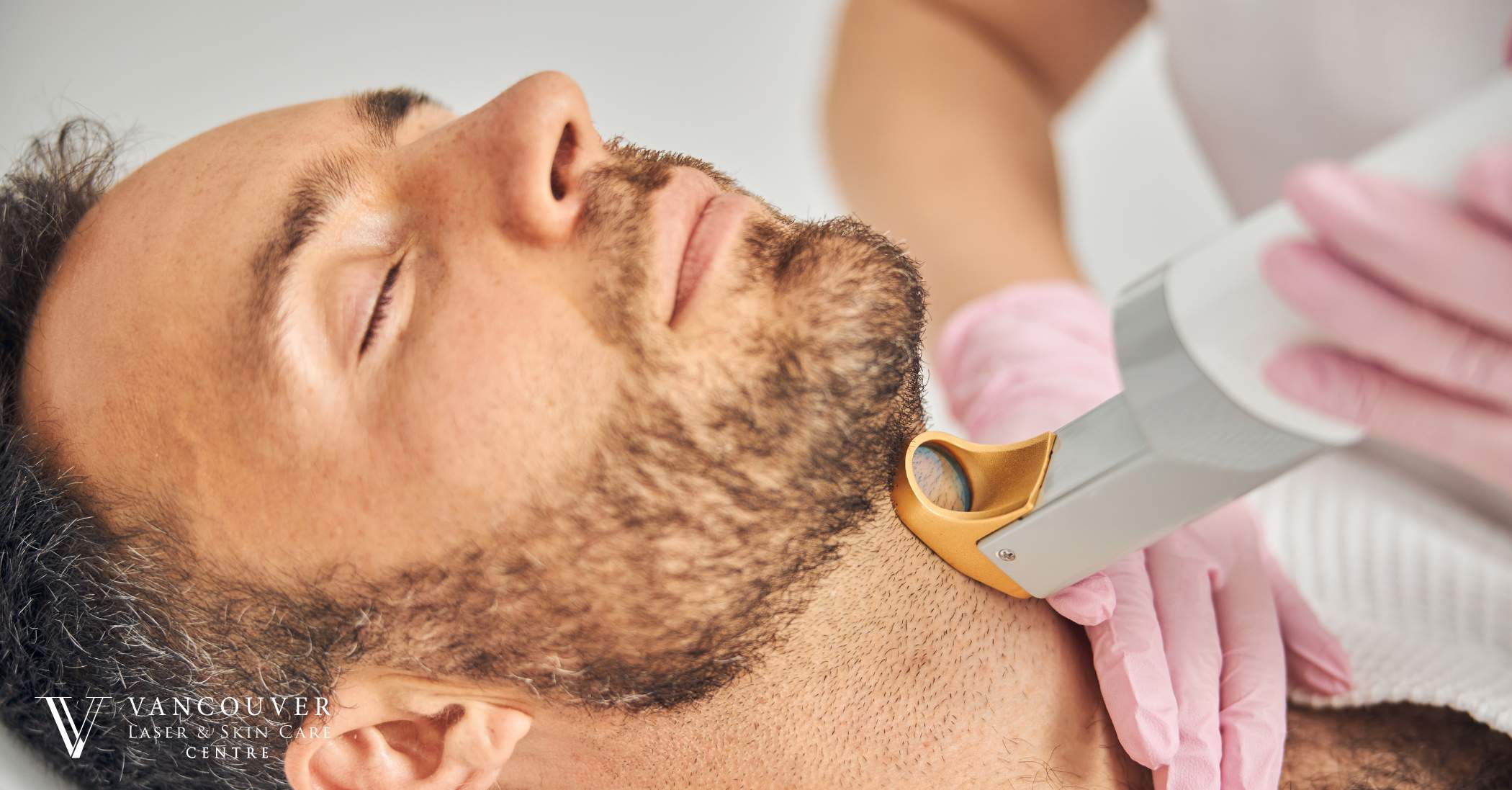
Laser hair removal uses a laser to target the pigment in hair follicles, gradually damaging them to slow hair growth over time. It works best on thick, dark hair and lighter skin tones. The greater the contrast between dark hair and light skin, the better the results.
This procedure can be applied to most parts of the body, including the face, bikini area, legs, and back. With advanced Soprano technology, which uses ultrasound and a gel similar to medical procedures, numbing cream is generally not required. However, it is available upon request and involves a 30-minute application.
Newer laser machines, like the Soprano, use advanced technology with a built-in cooling system to minimize discomfort. The sensation is often compared to the warmth of a hot hair tool near the skin, applied using a stamping method.
Sessions may take anywhere from a few minutes to over an hour, depending on the size of the area being treated. An example would be the underarms taking much less time when compared to full legs. Darker and thicker underarm hair may also require fewer sessions than lighter leg hair.
Laser Hair Removal Benefits
Laser treatments provide lasting hair reduction for almost any area of the face or body. The procedure is quick, with no downtime, and benefits include:
- Permanent hair removal
- Suitable for both face and body
- Minimal recovery time
- Few side effects
Laser Hair Removal Side Effects and Risks
Laser hair removal is generally safe when performed by trained professionals. Very rare side effects may include:
- Blisters (often caused by prior sun exposure not disclosed to the technician)
- Inflammation
- Swelling
- Irritation
- Hypopigmentation (light patches on darker skin)
- Redness
These effects are uncommon, as trained technicians are skilled at identifying risks and preventing complications. Minor side effects like redness and irritation typically resolve within a few hours.
If severe symptoms, such as blisters, occur or if any side effects persist, consult a healthcare professional. To minimize risks, always choose experienced professionals rather than salons or at-home devices.

What is electrolysis?
Electrolysis is performed with a metal probe, like a thin needle or wire, to send low-level electric pulses to unwanted hair follicles. Low-level pulses heat and eliminate each follicle one at a time. The probe does not pierce the skin; instead, it goes into the follicle through the natural opening of the hair.
It is a manual process in which an expert electrologist needs to locate each hair follicle and give it adequate electric current to destroy the roots without damaging the adjacent skin.
Compared to laser hair removal, electrolysis is effective for blonde hair and works regardless of hair or skin color. However, it treats each follicle individually, making it less ideal for very large areas. It can be used anywhere on the body, including the face, with minimal downtime.
Sensitivity in the treated area may occur for a few days, with complete healing taking one to two weeks. Some people may also experience temporary soreness, redness, and swelling.
Benefits of Electrolysis
Electrolysis gives lasting results and is very flexible. It can stop new hair growth on all skin and hair types. You can use electrolysis anywhere on the body, even on the eyebrows.
Electrolysis Side Effects and Risks
Like laser hair removal, electrolysis can cause burning of the skin around the hair follicle or lead to a post-inflammatory hyperpigmentation.
Minor side effects are common but usually disappear within a day. The most frequent symptom is slight redness from skin irritation. Pain and swelling are rare. Serious side effects can include infections from unclean needles and scarring.
Which is best?
Laser therapy and electrolysis often last longer than shaving, but electrolysis is even more effective and permanent. It has fewer risks and side effects, with no need for continued maintenance treatments like laser hair removal.
However, electrolysis does take many more sessions and cannot treat large areas in one session whereas lasers can. Your choice depends on how quickly you want to remove hair.
IN any case, avoid doing one treatment after another; a complementary electrolysis course after laser interferes with the results. Research which is best for your individual goals, and then consult your dermatologist to decide.
Conclusion
Both laser hair removal and electrolysis have their own effective ways of achieving long-lasting hair reduction, but which is best would depend on your individual needs, skin type, and hair type. Laser hair removal will be faster and more comfortable when treating larger areas, while electrolysis provides permanent hair removal on any hair type. Whichever option you choose, it’s important to consult a trusted professional to determine the best treatment plan for your specific goals. At Vancouver Laser, we specialize in both laser hair removal and personalized treatment plans, ensuring that you receive expert care tailored to your needs. With over 27 years of experience and advanced technology, we’re here to help you enjoy smooth, beautiful skin with results you can trust. Contact us today to book a consultation and discover the best hair removal solution for you.
FAQs
1. What is the difference between electrolysis and laser hair removal?
Electrolysis targets individual follicles, making it suitable for all hair types but time-consuming. Laser hair removal covers larger areas quickly, working best on dark hair and light skin. Both require 8-12 sessions with annual upkeep for lasting results.
2. Is laser cheaper than electrolysis?
Electrolysis costs less for each session, but you will need many more sessions to see results. Treating large areas with electrolysis can get very expensive. In the long run, laser hair removal may be more cost-effective. In the end, both methods provide long-lasting hair removal results.
3. What hurts more, laser or electrolysis?
Electrolysis can hurt more than laser hair removal. However, many people still find it manageable. The needle for electrolysis is thinner than a hair, but patients still feel a small sting with each poke to a hair follicle.