Many clients ask, “What’s the difference between chemical peels and microdermabrasion?” Both are popular skincare treatments, each offering unique benefits for various skin concerns. From addressing fine lines and hyperpigmentation to refreshing overall skin texture, these treatments can significantly enhance your skincare routine.
Choosing the right treatment depends on factors like your skin type, specific concerns, and desired results. Microdermabrasion is known for its gentle exfoliation and minimal downtime, making it ideal for those seeking a quick refresh. Chemical peels, on the other hand, offer a deeper exfoliation for more intensive rejuvenation, particularly beneficial for those with more prominent skin issues.
In this blog, we’ll explore the benefits, differences, and expected results of both treatments to help you make an informed choice. Read on as we break down the specifics of microdermabrasion and chemical peels to find the perfect option for your skin.
What is microdermabrasion?
Microdermabrasion is a non-invasive skincare treatment designed to renew overall skin tone and texture. It can improve sun damage, wrinkles, fine lines, age spots, acne scarring, melasma, and other skin concerns. Safe and painless, microdermabrasion requires no recovery time.
This versatile treatment is suitable for all skin types, targeting the outer layer to reveal rejuvenated skin beneath. By gently exfoliating the surface, it promotes cell renewal and stimulates collagen production, resulting in a smoother, more radiant complexion. With no downtime, microdermabrasion is ideal for those seeking noticeable improvements without disrupting their daily routines.
Common skin issues treated by microdermabrasion include:
- Hyperpigmentation
- Acne
- Dry skin
- Fine lines
- Pigmentation irregularities
- Clogged pores
- Rosacea
- Small scars
- Skin texture issues
How It Works
Microdermabrasion uses a special applicator with an abrasive surface to gently remove the outer skin layer, revealing rejuvenated skin.
The treatment can also utilize fine particles, such as sodium bicarbonate or aluminum oxide, which are gently applied to the skin using a specialized device. These particles exfoliate the outer layer of skin, and a vacuum system simultaneously removes them along with dead skin cells, achieving similar exfoliation results.
Benefits of Microdermabrasion
Microdermabrasion offers a range of advantages for those seeking an effective, low-commitment skin treatment. Here’s what makes it a popular choice:
- Non-Invasive: No needles or surgery, making it safe with minimal downtime.
- Quick Procedure: Sessions typically last 30 minutes to an hour, fitting easily into busy schedules.
- Immediate Results: Most people notice smoother, more radiant skin after just one session.
- Versatile: Suitable for all skin types and addresses a range of skin issues.
What to Expect
Microdermabrasion treatments are generally painless. You may feel a slight scratching or vibrating sensation, similar to a light massage. Afterward, expect some redness and minor swelling, which typically subsides within a few hours.
What is a chemical peel?
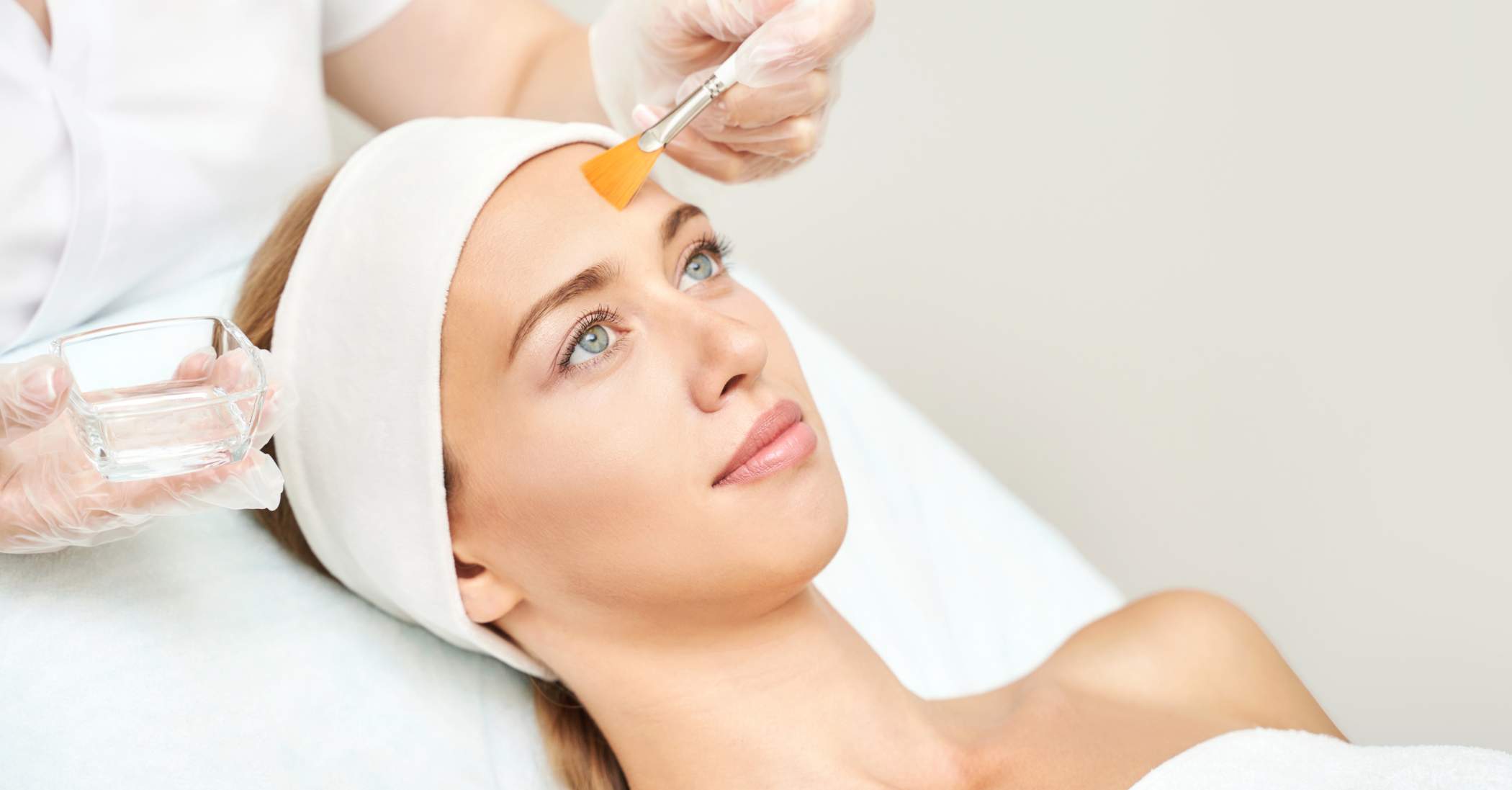
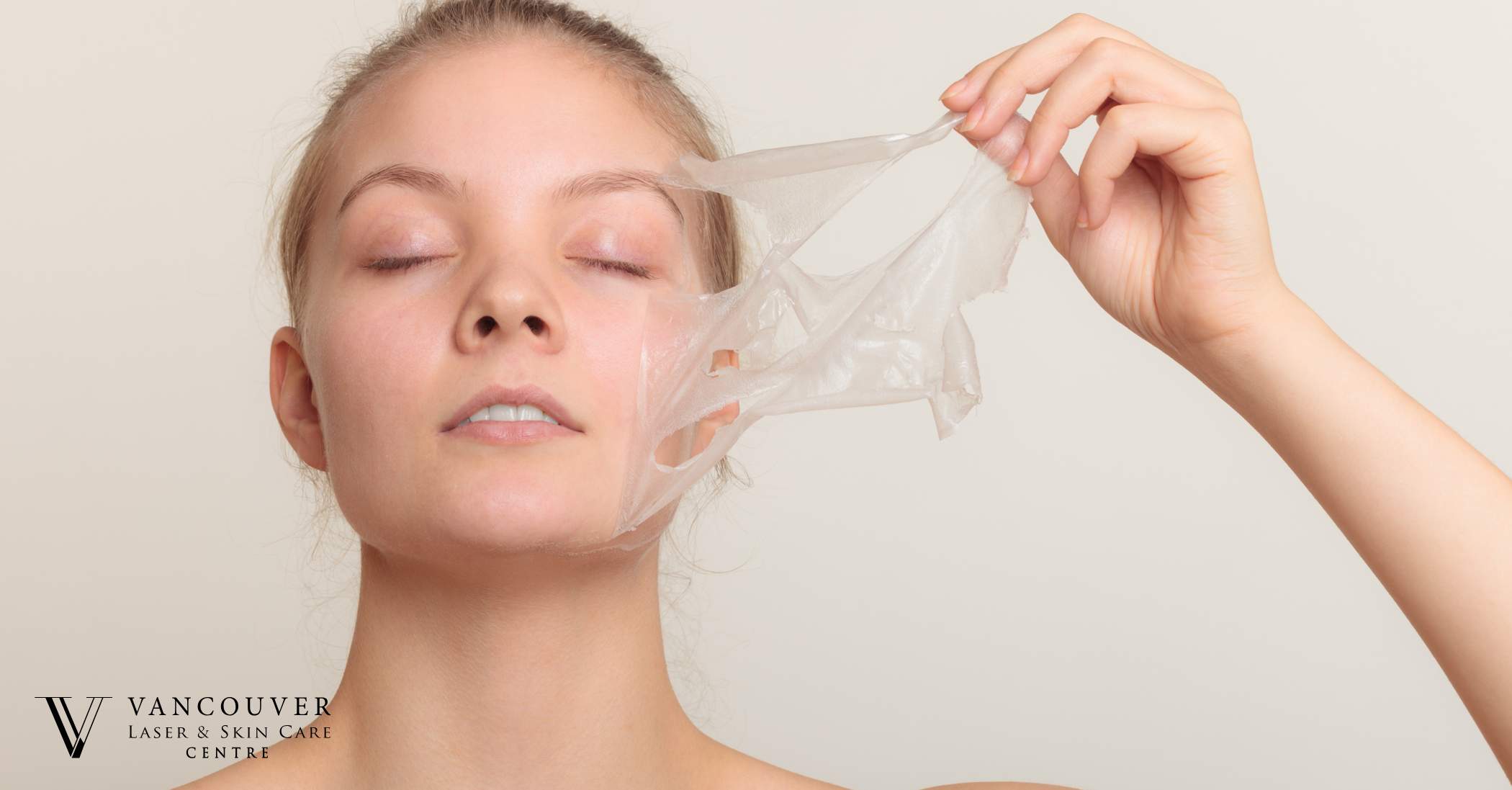
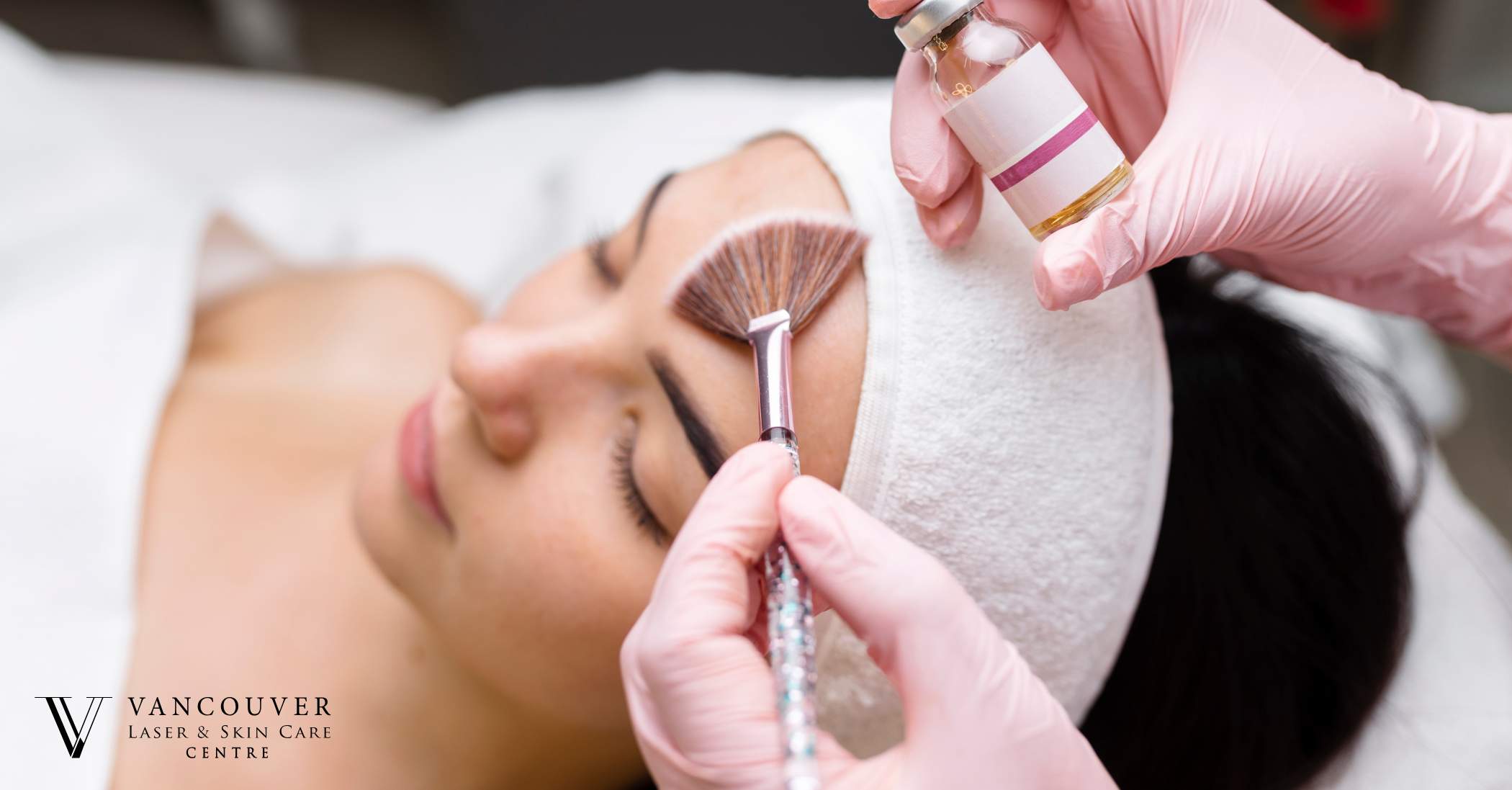
A chemical peel involves applying a chemical solution to the skin, causing the top layers to exfoliate and reveal fresh, regenerated skin beneath. This new layer is typically smoother and less wrinkled than the old skin.
Unlike microdermabrasion, which uses gentle suction to remove the outer layer, a chemical peel dissolves skin layers with a chemical solution.
Chemical peels effectively treat various skin conditions, including:
- Acne
- Fine lines
- Crow’s feet
- Brown spots
- Sagging skin
- Wrinkles
- Blemishes
- Hyperpigmentation
- Melasma
- Scars
How It Works
There are three primary types of chemical peels:
- Superficial Peels: Use mild acids, like alpha-hydroxy acid, to gently exfoliate the outermost skin layer.
- Medium Peels: Contain glycolic or trichloroacetic acid, penetrating both the outer and middle skin layers to target damaged cells.
- Deep Peels: Use stronger acids, like phenol, to penetrate the middle skin layer and fully remove damaged skin cells.
Benefits of Chemical Peel
Chemical peels offer multiple advantages for those seeking deeper skin renewal and enhanced radiance. Key benefits include:
- Deep Exfoliation: More thorough than microdermabrasion, removing dead skin cells effectively.
- Skin Rejuvenation: Encourages new skin growth, enhancing texture and tone.
- Customizable: Available in various strengths to suit different skin types and concerns.
- Long-Lasting Results: Offers prolonged improvements in skin appearance.
What to Expect
The intensity and recovery time of chemical peels vary. Superficial peels may cause mild redness, while medium and deep peels result in more noticeable peeling and require longer recovery. Following post-treatment care is essential for optimal results and to reduce potential side effects.
Microdermabrasion vs chemical peel: Which is better?
Choosing between microdermabrasion and chemical peels depends on your skin concerns, goals, and lifestyle. Microdermabrasion offers immediate results with minimal downtime, suitable for all skin types. Chemical peels, however, provide deeper exfoliation with longer-lasting results but may require more recovery time.
At Vancouver Laser & Skin Care Centre, we focus on non-invasive treatments like microdermabrasion to deliver effective results with minimal discomfort. Please note that we do not offer chemical peels as a treatment option. Our skilled team is happy to discuss other advanced skincare options to help you achieve your goals.
When deciding between the two, consider the following:
Skin Concerns
Microdermabrasion is effective for treating fine lines, wrinkles, and uneven skin tone. Chemical peels may be more suitable for severe acne scars or hyperpigmentation.
Skin Type
Although most skin types benefit from both treatments, microdermabrasion is gentler and may suit sensitive skin better. Individuals with thicker or resilient skin may tolerate deeper chemical peels well.
Desired Results
For a more dramatic transformation, chemical peels may be the preferred choice. Microdermabrasion is ideal for achieving subtle, gradual improvements.
Vancouver Laser & Skin Care Centre: Your Trusted Partner in Advanced Skincare
At Vancouver Laser & Skin Care Centre, we’re dedicated to offering personalized skincare solutions tailored to meet your unique needs.
Ready to achieve radiant skin? Schedule a consultation with our skilled team to discuss your goals and find the treatment that suits you best. Our knowledgeable staff is here to provide personalized recommendations and answer all your questions.
FAQs
1. Can I combine microdermabrasion and chemical peel?
Yes, but it’s best done under a professional’s guidance. Microdermabrasion is typically performed first to make the skin more receptive to a chemical peel, enhancing results while minimizing risks of irritation.
2. Which is better, a chemical peel or microdermabrasion?
The choice depends on your skin concerns. Microdermabrasion is gentler and suits mild issues like fine lines and uneven skin tone. Chemical peels, with deeper exfoliation, work well for more severe concerns like acne scars and hyperpigmentation.
3. Is a chemical peel or microdermabrasion better for hyperpigmentation?
Chemical peels are generally more effective for hyperpigmentation, as they penetrate deeper to lighten dark spots. However, the best option depends on your skin’s sensitivity and the severity of pigmentation.
4. Can microdermabrasion or chemical peels help with acne?
Yes, both treatments can benefit acne-prone skin. Microdermabrasion clears clogged pores and reduces mild acne, while chemical peels are more effective for treating acne scars and preventing future breakouts.
5. How often should I get microdermabrasion or a chemical peel?
Frequency depends on skin type and treatment strength. Microdermabrasion can be done every 3-4 weeks, while chemical peels vary—mild peels every few weeks and deeper peels less often.
6. Are there side effects with microdermabrasion or chemical peels?
Both treatments may cause temporary redness or mild irritation. Chemical peels, especially deeper ones, may require more downtime due to peeling and sensitivity. Consult a professional for post-treatment care.