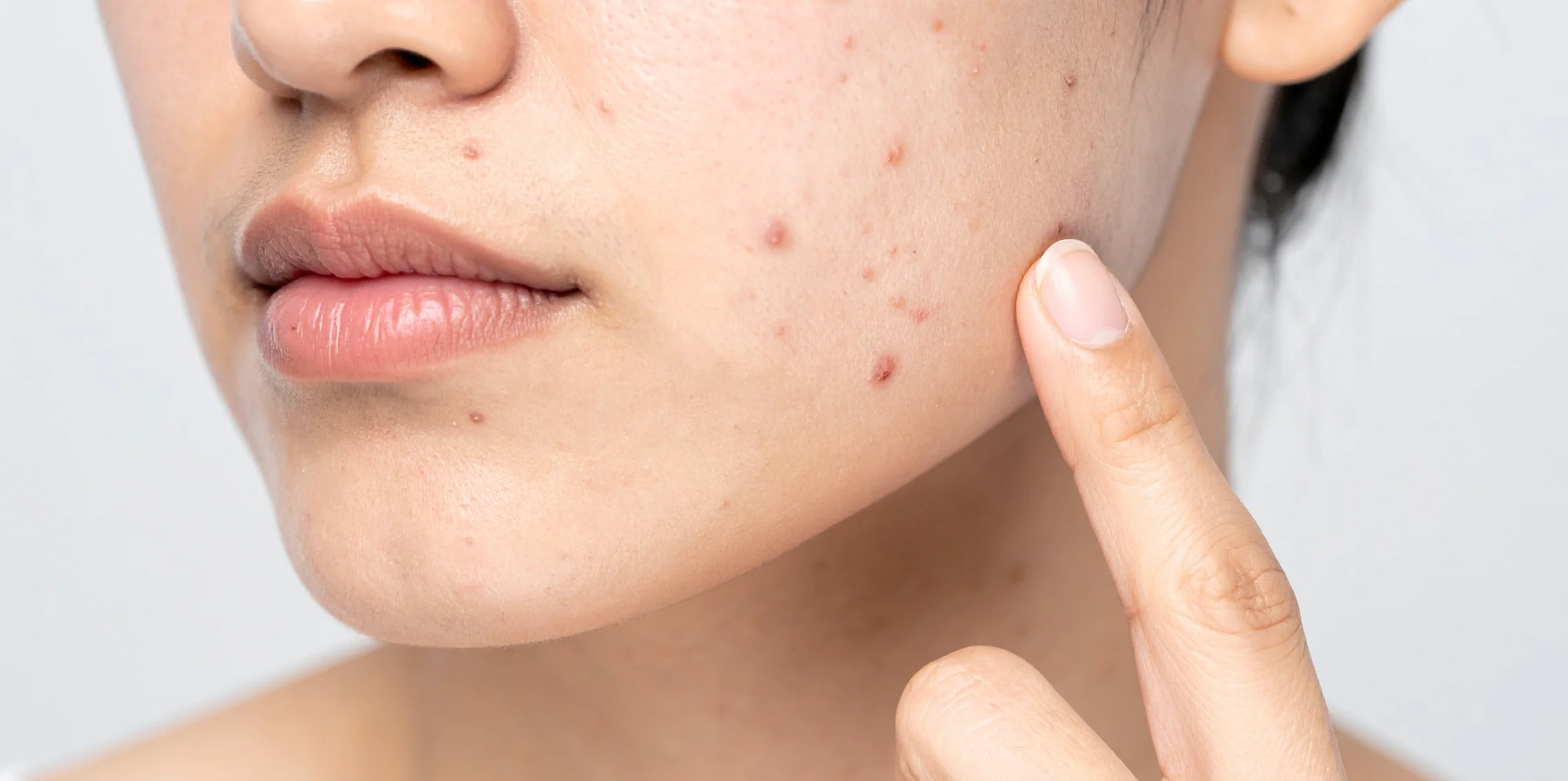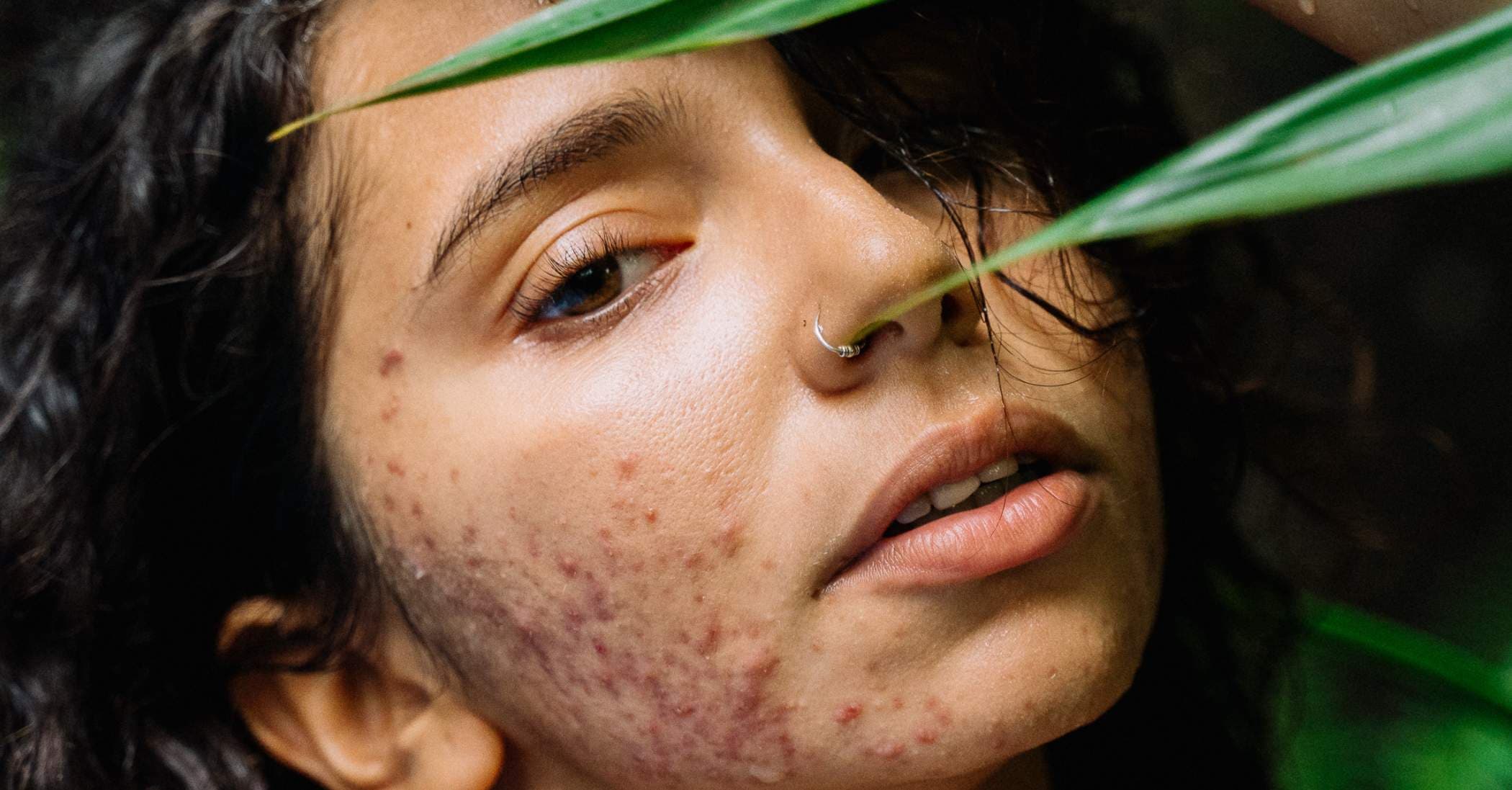
Cystic acne is a severe form of acne marked by large, painful, pus-filled cysts that develop deep within the skin. This condition can be both frustrating and emotionally distressing, as it often leads to scarring. In this blog post, we’ll explore the causes, symptoms, and treatment options for managing cystic acne.
What causes cystic acne?
While the exact causes of cystic acne aren’t fully understood, several factors play a role in its development:

Hormonal Changes
Hormonal fluctuations during puberty, menstruation, pregnancy, or from stress can lead to increased oil production. This excess oil often clogs pores, resulting in inflammation and the formation of deep, painful cysts.
Genetics
Genetics play a significant role in cystic acne risk. If a family member has had cystic acne, you’re more likely to develop it as well. Genetic factors can influence skin sensitivity, oil production, and inflammation levels.
Bacteria
Propionibacterium acnes bacteria naturally exist on the skin but thrive in clogged, oily environments. When trapped in pores, this bacteria can multiply, causing infection, inflammation, and the formation of painful cysts.
Inflammation
Chronic inflammation is closely linked to cystic acne. Certain factors, like diet, stress, and environmental pollutants, can heighten skin inflammation, worsening cyst formation and leading to prolonged healing times.
It’s important to note that cystic acne is complex, often resulting from a combination of these factors.
Where do acne cysts develop?
Cystic acne typically appears on the face, chest, back, shoulders, and upper arms. These areas have a high concentration of sebaceous glands, which are more prone to becoming clogged and inflamed, leading to cyst formation.
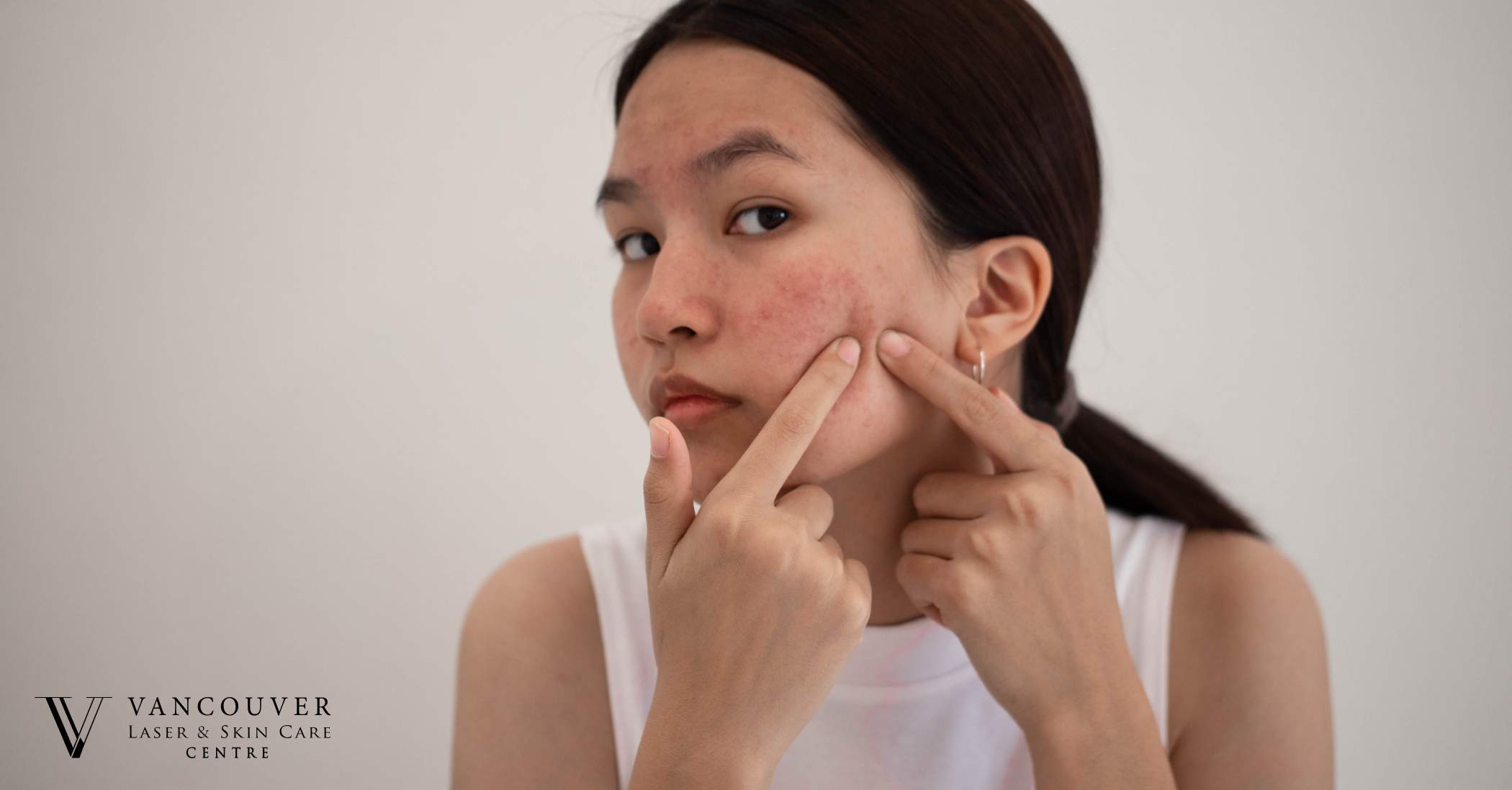
How do you identify cystic acne?
Cystic acne presents as large, painful, pus-filled bumps that develop deep within the skin. These cysts are often severe and can lead to scarring. Key features include:
- Large, Inflamed Bumps: Cystic acne lesions are larger and more inflamed than typical pimples.
- Deep, Tender Nodules: These cysts feel hard and tender when touched.
- Scarring Potential: Cystic acne can lead to scarring, especially if picked or squeezed.
If you’re experiencing these symptoms, consulting a dermatologist is essential for an accurate diagnosis and effective treatment plan.
How long do acne cysts last?
The duration of cystic acne varies depending on individual factors and the severity of the breakout. A single cystic lesion may last anywhere from a few days to several weeks.
It’s crucial to avoid picking or popping cystic lesions, as this can worsen inflammation, increase scarring risk, and delay healing. Instead, maintain a consistent skincare routine, use prescribed medications, and seek professional treatment if needed.
How to Treat Cystic Acne
Treating cystic acne often requires a multi-faceted approach. Here are some common treatment options:
Topical Medications:
- Benzoyl Peroxide: Kills bacteria and reduces inflammation.
- Retinoids: Promote cell turnover and reduce inflammation.
- Azelaic Acid: Reduces bacteria and inflammation.
Oral Medications:
- Antibiotics: Help to control bacterial infection.
- Hormonal Therapy: Regulates hormone levels and can reduce acne.
In-Office Procedures:
- Cortisone Injections: Reduce inflammation and swelling.
- Extractions: Removes blackheads and whiteheads.
- Light Therapy: Kills bacteria and reduces inflammation.
Treating cystic acne takes time and patience, and a dermatologist can develop a personalized plan based on your specific needs.
Can salicylic acid remove cystic acne?
Salicylic acid can help manage mild to moderate acne, such as blackheads and whiteheads. While it unclogs pores and reduces inflammation, it may not penetrate deeply enough to treat cystic acne. Severe cases typically require topical or oral medications and in-office procedures.
Preventing Cystic Acne: Tips for Clear Skin
While it’s not possible to prevent cystic acne entirely, adopting healthy skincare habits can help reduce its frequency and severity. Here are some key tips:
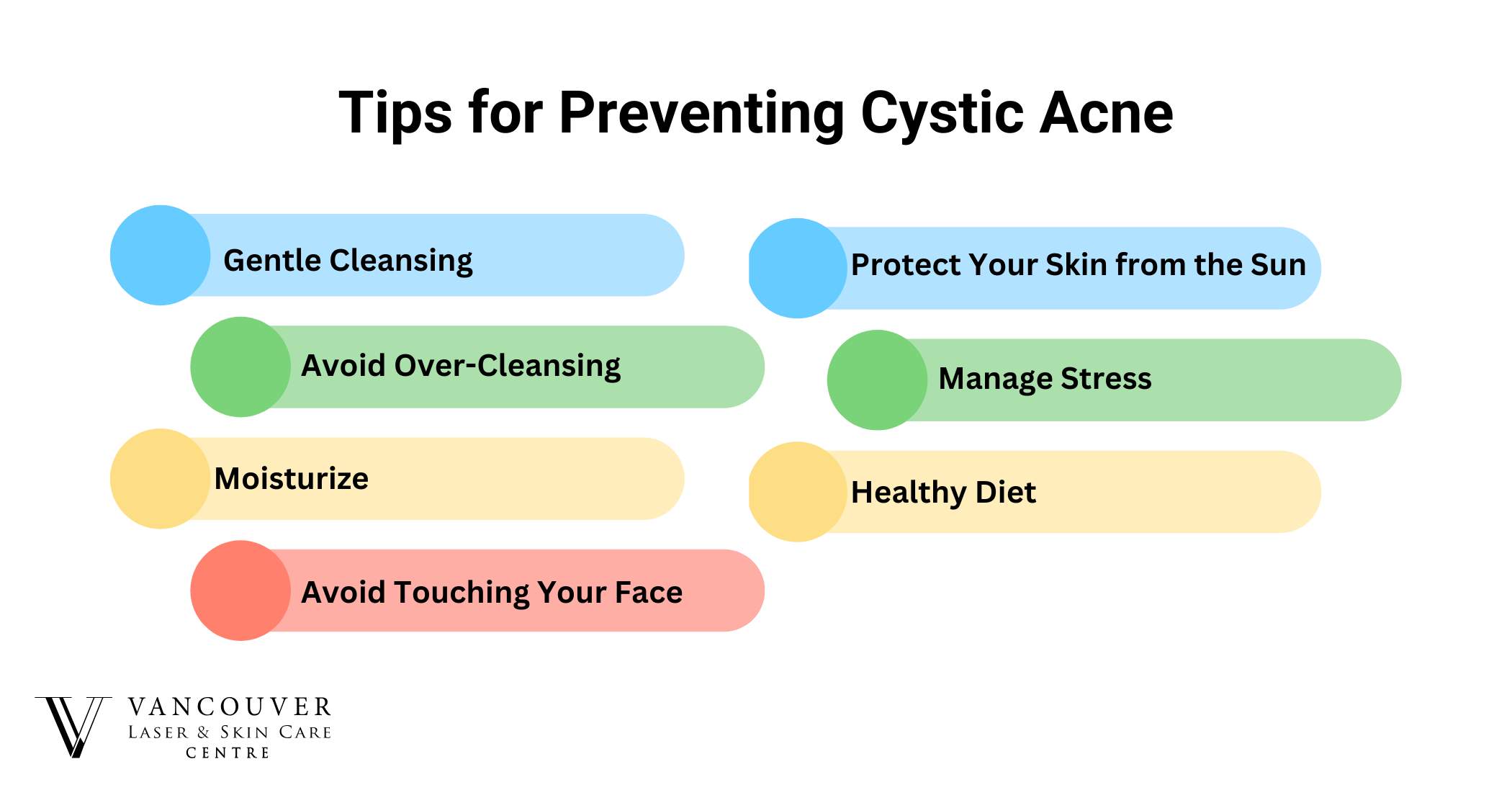
Gentle Cleansing
Wash your face twice a day with a gentle, fragrance-free cleanser to remove excess oil and impurities without over-drying. Avoid harsh soaps and scrubs, which can strip away natural oils, causing your skin to produce even more oil in response. A soft washcloth or fingertips is best for a gentle cleanse.
Avoid Over-Cleansing
Washing your face too often can irritate the skin, leading to more oil production and worsening acne. Stick to cleansing only twice a day, even if your skin feels oily, as over-cleansing disrupts the skin’s natural barrier and can make breakouts more severe.
Moisturize
Hydrating your skin is essential, even if you have oily or acne-prone skin. Use a lightweight, non-comedogenic (won’t clog pores) moisturizer to maintain a balanced moisture level, which can prevent overproduction of oil. Well-moisturized skin also heals better and is less prone to irritation.
Avoid Touching Your Face
Touching your face throughout the day transfers bacteria and oils from your hands to your skin, which can clog pores and trigger breakouts. Try to avoid picking at or squeezing any acne lesions, as this can introduce more bacteria and lead to inflammation and scarring.
Protect Your Skin from the Sun
Sun exposure can worsen acne and cause post-inflammatory hyperpigmentation (dark spots) after breakouts. Use a broad-spectrum sunscreen with SPF 30 or higher to protect your skin. Choose a non-comedogenic, oil-free formula to prevent additional breakouts.
Manage Stress
Chronic stress can lead to hormonal fluctuations that may worsen acne. Engage in stress-relief techniques like yoga, meditation, regular exercise, or journaling to help balance hormones and support overall skin health. Even a few minutes of daily relaxation can make a difference.
Healthy Diet
Eating a diet rich in fruits, vegetables, whole grains, and lean proteins provides essential nutrients that support skin health. Reducing your intake of high-glycemic foods (like sugary snacks and processed carbs) may also help reduce breakouts. Staying hydrated is equally important for maintaining clear, healthy skin.
The Key Role of Diet and Lifestyle in Managing Cystic Acne
While genetics and hormones are key contributors to cystic acne, dietary and lifestyle modifications can help reduce the frequency and severity of breakouts. A diet rich in fruits, vegetables, and whole grains supports hormonal balance and skin health. Avoiding sugary and processed foods may reduce inflammation and improve skin clarity.
Stress can also worsen acne. Incorporating stress-management techniques, such as yoga, meditation, or regular exercise, may help prevent flare-ups.
While these lifestyle changes can be beneficial, they may not be enough for severe cases of cystic acne. Consulting with a dermatologist is essential for personalized treatment and guidance.
The Importance of Professional Treatment
While over-the-counter products and home remedies may help with mild acne, severe cystic acne often requires professional medical attention. A dermatologist can create a personalized treatment plan with prescription medications and in-office procedures to address the underlying causes of cystic acne.
Regular dermatologist visits can also help monitor your skin’s condition, adjust treatment plans as needed, and prevent future outbreaks.
Sylfirm X: A Revolutionary Treatment for Cystic Acne Scars
For those dealing with the lasting scars from cystic acne, Sylfirm X offers an innovative solution. This advanced treatment combines microneedling with radiofrequency energy to effectively target and improve acne scars.
Sylfirm X works by creating microscopic channels in the skin, stimulating collagen production for smoother, younger-looking skin. This treatment is especially effective in reducing the depth and size of acne scars, enhancing skin texture, and minimizing redness and discoloration.At Vancouver Laser & Skin Care Centre, we offer Sylfirm X and other acne treatments to help you achieve a clearer, more radiant complexion.
FAQs
1. What causes cystic acne?
Cystic acne often results from hormonal changes, genetics, bacteria, and excess oil production, which can lead to deep, painful cysts.
2. How can I prevent cystic acne?
While prevention isn’t guaranteed, gentle cleansing, minimal makeup, stress management, and a balanced diet can help reduce breakouts. Avoid picking pimples to prevent scarring.
3. When should I see a dermatologist for cystic acne?
Consult a dermatologist if your cystic acne doesn’t respond to home treatments. They can recommend effective prescriptions or in-office procedures.