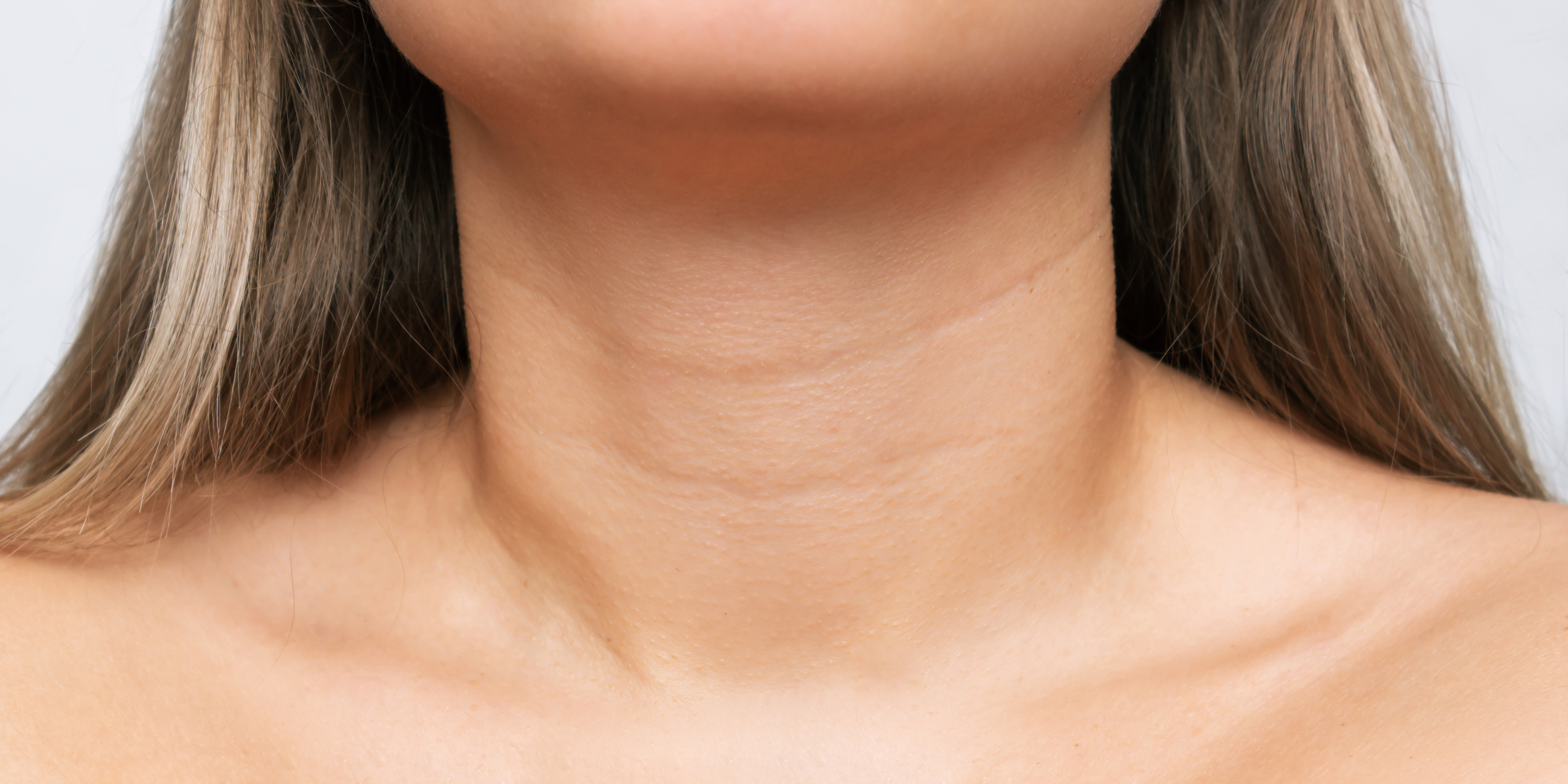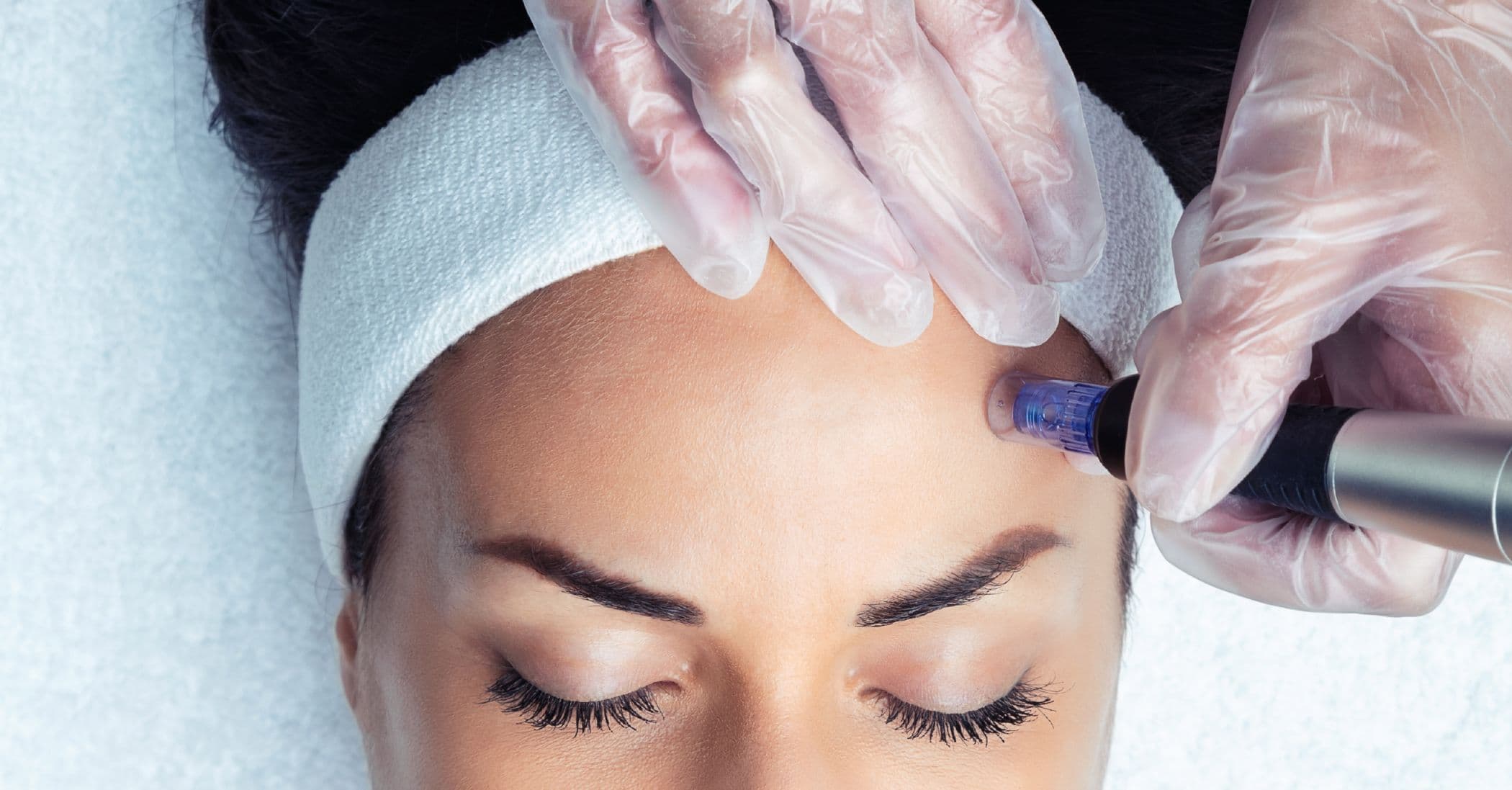
Radiofrequency (RF) microneedling, also known as fractional RF microneedling, is a groundbreaking cosmetic procedure that combines traditional microneedling with the added power of radiofrequency energy. This dual-action approach enhances skin rejuvenation by stimulating collagen and elastin production while delivering targeted heat to deeper layers of the skin.
Unlike standard microneedling, which primarily targets the skin’s surface, RF microneedling reaches deeper, addressing a broader range of concerns like fine lines, wrinkles, acne scars, and skin laxity. This advanced treatment promotes significant improvements in texture, tone, and firmness.
With minimal downtime, RF microneedling is an ideal choice for those seeking comprehensive skin rejuvenation and lasting results that leave skin smoother and more resilient.

What is RF microneedling?
RF microneedling uses ultra-fine needles to create tiny micro-wounds, or channels, in the skin. This process stimulates the production of capillaries, elastin, and collagen, initiating the skin’s natural repair cycle. Known as skin needling or collagen induction therapy, the procedure encourages new, thicker, and smoother skin.
When combined with radiofrequency waves, it becomes RF microneedling. The needles deliver radiofrequency energy into the micro-channels, enhancing traditional microneedling benefits and promoting further skin rejuvenation.
What is the difference between RF microneedling and normal microneedling?
Both RF and traditional microneedling use fine needles to create micro-injuries in the skin. However, RF microneedling adds radiofrequency energy, which deepens the needles’ penetration and enhances results. This method effectively targets advanced skin concerns, such as fine lines, wrinkles, skin laxity, acne scars, stretch marks, enlarged pores, and uneven skin tone.
The added depth and energy of RF microneedling create a more substantial impact, making it ideal for more challenging skin issues. RF energy itself has numerous benefits for the skin, including stimulating collagen and elastin production, which improves skin firmness, texture, and elasticity.
It also tightens and lifts the skin by promoting the remodelling of the dermal layers, helping to reduce sagging and fine lines. Additionally, RF energy improves circulation, enhances skin tone, and supports the overall rejuvenation of the skin.
RF microneedling sessions may also take slightly longer than regular microneedling due to the additional steps involved, but the results can be more profound, addressing deeper skin concerns.
What are the benefits of RF microneedling?
RF microneedling offers several advantages over other skin rejuvenation treatments. It is suitable for all skin types and can penetrate deeper skin layers, promoting significant collagen and elastin production.
Compared to CO2 laser treatments, RF microneedling has shorter downtime and delivers longer-lasting results than Botox injections. Additionally, side effects are generally mild, making it a well-tolerated treatment.
What can RF microneedling treat?
RF microneedling effectively addresses various skin concerns:
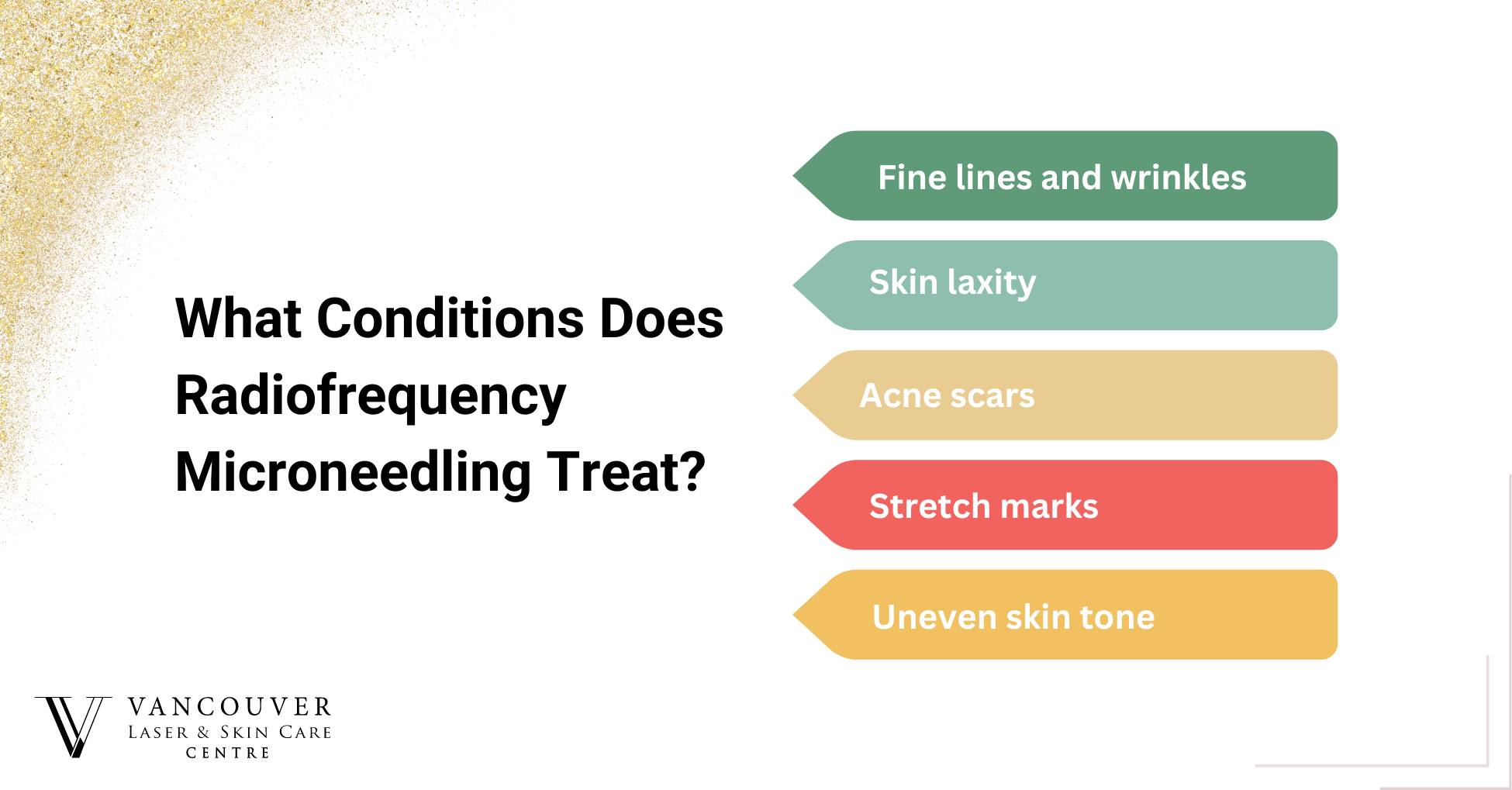
Fine Lines and Wrinkles
RF microneedling stimulates collagen and elastin production, essential proteins for firm, smooth skin. This helps fill in fine lines and wrinkles, leading to a more youthful, refreshed appearance over time.
Skin Laxity
The radiofrequency energy penetrates deeper layers to tighten and lift skin, addressing mild to moderate sagging. RF microneedling promotes collagen production, enhancing overall firmness and improving skin tone.
Acne Scars
RF microneedling reaches deep into the dermis to stimulate collagen in areas of scar tissue, gradually reducing acne scars. This process smooths the skin’s surface, diminishing scar visibility for a more even texture.
Stretch Marks
By boosting collagen and elastin, RF microneedling helps improve skin elasticity and reduce the appearance of stretch marks. This treatment strengthens skin structure, creating a smoother appearance.
Uneven Skin Tone
RF microneedling promotes healthy cell turnover, helping to correct pigmentation irregularities and balance skin tone. The treatment minimizes hyperpigmentation, leading to a more radiant, even complexion.
Potential Side Effects of Radiofrequency Microneedling
As with any cosmetic procedure, RF microneedling carries some risks. Common side effects include temporary redness and swelling, which typically resolve within a few days, and mild discomfort or pain during or after the procedure.
Bruising may occur, especially with deeper skin penetration, but generally fades within days. While infection is rare, it can occur if hygiene protocols aren’t strictly followed. Scarring is also uncommon but may develop in certain individuals.
Who should avoid RF Microneedling?
RF microneedling may not be suitable for everyone. Those with active skin conditions, such as acne, psoriasis, eczema, or rosacea, should consult a dermatologist for personalized guidance. Additionally, individuals with recent skin trauma, infections, blood clotting disorders, or active herpes simplex virus (HSV) may need to avoid this procedure due to increased risks.
Conditions that may make RF microneedling unsafe include:
- Collagen vascular disorders
- Active infections
- Immunosuppression
- Blood clotting issues
- Pregnancy
- History of severe scarring
- Poor blood sugar control

What can you expect after your RF microneedling procedure?
Recovery from RF microneedling is generally straightforward, especially when both pretreatment and post-treatment care instructions are followed. Here’s what to expect after your session:
Immediate Effects
- Redness and Swelling: Redness and swelling are common immediately after the procedure and typically subside within a few days.
- Mild Discomfort: Tingling or mild discomfort may also occur.
Healing Process
- Days 2-3: Redness and swelling start to decrease. The treated skin may feel tight and dry.
- Days 4-7: Peeling or flaking of the skin may begin. Avoid picking at the skin to prevent scarring.
- Week 1: Most redness and swelling should be gone, though skin improvements at this stage are temporary.
- Full Recovery: It may take less than 1 week for complete healing, with the full benefits of RF microneedling becoming visible as the skin regenerates.
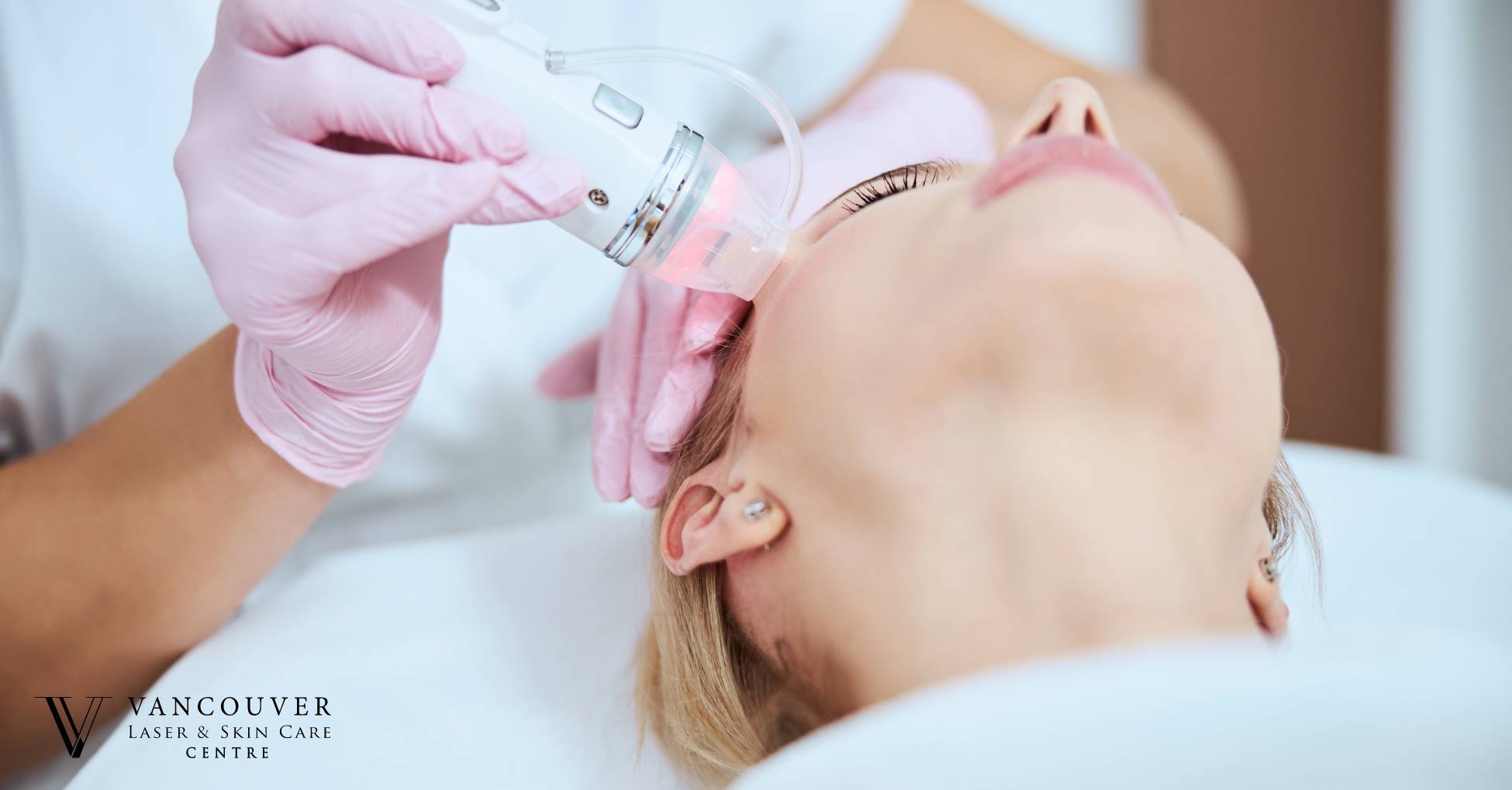
RF Microneedling Aftercare Tips
Proper aftercare is essential for maximizing the benefits of your RF microneedling treatment and ensuring smooth recovery. Following these simple steps will help protect your skin and enhance the healing process:
- Protect from Sun Exposure: Shield your skin from the sun to prevent irritation and support healing.
- Use Gentle Skincare: Stick to mild cleansers, avoiding harsh products or exfoliants.
- Keep Skin Hydrated: Apply a hydrating moisturizer to soothe and nourish treated areas.
- Avoid Touching the Skin: Refrain from picking or scratching to reduce the risk of scarring.
- Follow Professional Guidance: Adhere to your provider’s aftercare instructions for optimal recovery.
RF Microneedling at Vancouver Laser
At Vancouver Laser, we specialize in advanced RF microneedling treatments designed to revitalize your skin and restore a youthful, radiant glow. Our experienced professionals combine expertise with state-of-the-art technology to deliver treatments that are both effective and safe, focusing on each client’s unique skin needs and goals.
Whether you’re looking to reduce fine lines, improve skin texture, or address stubborn acne scars, our team tailors every RF microneedling session to maximize results. Contact Vancouver Laser today to schedule a consultation and explore how our customized approach can help you achieve your ideal skin transformation.
FAQs
1. How long does RF microneedling last?
Results from RF microneedling can last several months, depending on individual factors like treatment depth and frequency. To maintain optimal results, follow-up treatments are typically recommended every three to six months.
2. Is RF microneedling better than Botox?
RF microneedling addresses various skin issues, including texture and scars, while Botox specifically targets wrinkles by relaxing facial muscles. The best choice depends on your specific skin concerns and goals.
3. Is RF microneedling too painful?
RF microneedling can cause mild discomfort, though pain levels vary by individual. Factors like needle depth, personal pain tolerance, and the use of numbing cream influence how comfortable the procedure feels. Some experience minimal discomfort, while others may find it more sensitive.
4. How long after RF microneedling can you do Botox?
It’s generally recommended to wait 2-4 weeks after RF microneedling before undergoing Botox to allow full skin recovery. Always consult your provider for personalized guidance based on your treatment plan.
5. Can RF microneedling be combined with other treatments?
Yes, RF microneedling can often be combined with treatments like chemical peels or laser therapy to maximize skin rejuvenation. However, consult with your provider to determine the best combination for your skin type and goals.
6. When will I see results from RF microneedling?
Initial improvements, like smoother texture and reduced redness, can appear within a week, but full results usually develop over several weeks as collagen production continues. Most patients notice optimal effects around 4-6 weeks post-treatment.