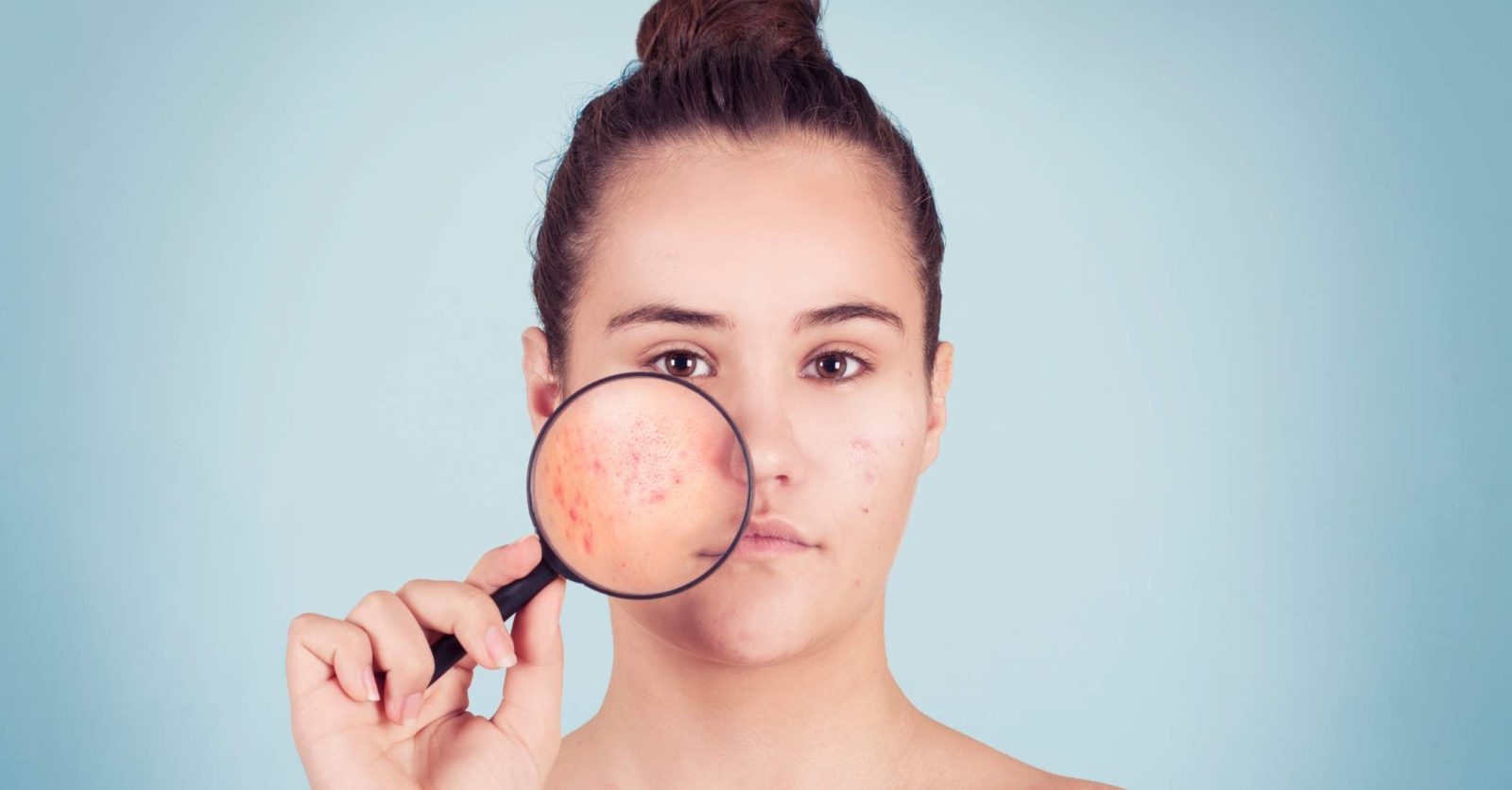
Hormonal acne is a common yet often misunderstood skin condition that can affect individuals of all ages. Unlike typical acne, which is influenced by external factors, hormonal acne stems from internal hormonal fluctuations. These changes can lead to persistent breakouts that are often resistant to conventional acne treatments.
Understanding the causes, symptoms, and effective solutions for hormonal acne is essential for reducing its impact on your skin and overall well-being.
What causes hormonal acne?
Hormonal acne is primarily caused by fluctuations in androgen hormones, such as testosterone. These hormones stimulate the sebaceous glands to produce more sebum, an oily substance that can clog pores and lead to breakouts.
Key hormonal factors contributing to acne include:
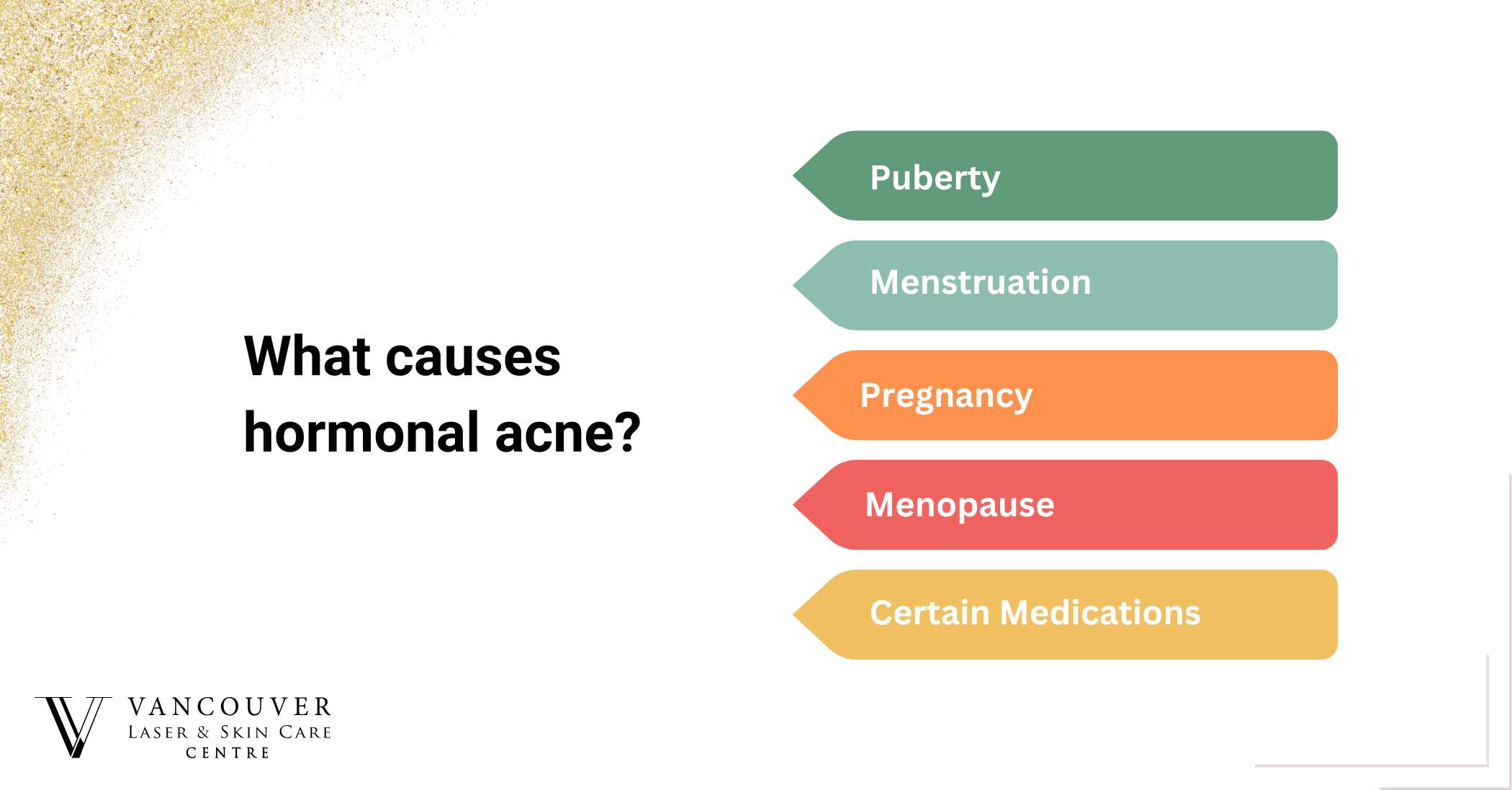
Puberty
During puberty, the body undergoes significant hormonal changes that stimulate the production of androgens. These hormones increase sebum production, making the skin more prone to clogged pores and acne. This type of acne often appears on the face, chest, and back, areas with the highest concentration of oil glands.
Menstruation
Hormonal fluctuations before and during the menstrual cycle can trigger acne flare-ups. Many women notice increased breakouts in the week leading up to their period due to rising levels of progesterone and androgens, which can lead to excess oil production and inflammation.
Pregnancy
Pregnancy hormones, particularly in the first and second trimesters, can cause an increase in androgen levels. This hormonal shift often results in heightened sebum production, making acne more likely. Pregnant individuals may experience breakouts even if they didn’t have acne previously.
Menopause
During menopause, estrogen levels drop while androgens may remain steady or even increase, leading to an imbalance that triggers acne. The skin may also become more sensitive and prone to dryness, exacerbating the appearance of acne, particularly along the jawline and chin.
Certain Medications
Drugs like corticosteroids, which are used to reduce inflammation, and androgenic hormones, often prescribed for other hormonal conditions, can increase oil production in the skin. This makes the skin more susceptible to acne, especially when used over long periods or at high doses.
Can stress cause hormonal acne?
Stress can worsen hormonal acne by disrupting hormone balance. Elevated cortisol levels, released during stress, increase sebum production, clogging pores and triggering breakouts. Chronic stress also impairs skin healing, prolonging flare-ups.
The Role of Diet in Hormonal Acne
While diet alone cannot cure hormonal acne, making healthy dietary choices can support better skin health. Here are some tips to consider:
- Low-Glycemic Diet: Focus on whole grains, legumes, and vegetables to stabilize blood sugar. Avoid high-glycemic foods like white bread and sugary snacks that trigger inflammation and oil production.
- Dairy Products: Dairy may worsen acne due to its hormone content. Limiting milk and cheese or opting for plant-based alternatives could help balance hormones.
- Healthy Fats: Omega-3s from fish, flaxseeds, and walnuts reduce inflammation, improve skin health, and minimize redness and flare-ups.
Symptoms and Characteristics of Hormonal Acne
Hormonal acne differs from other types of acne in both appearance and affected areas. Recognizing these symptoms is key to effective identification and treatment.
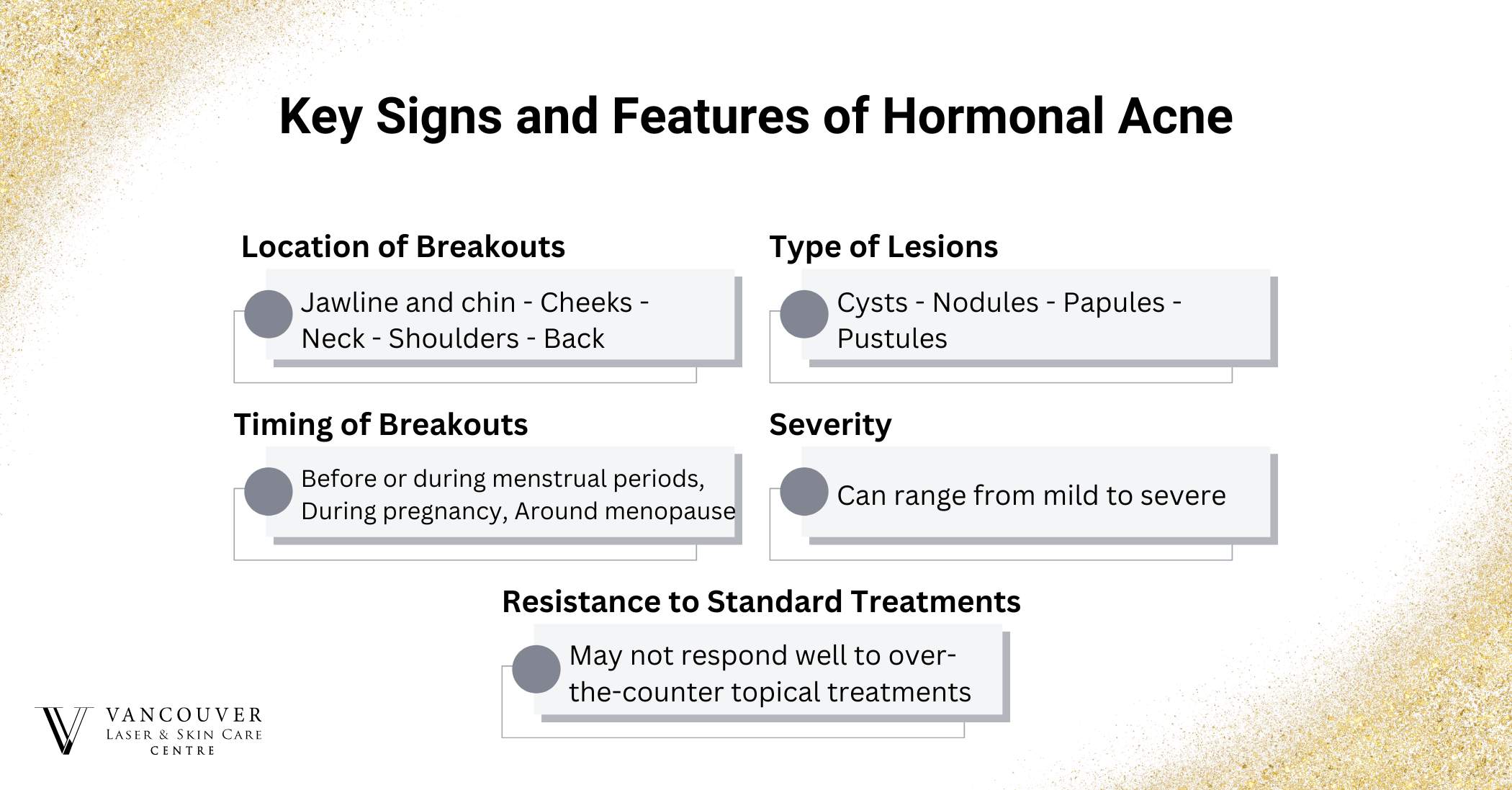
Location of Breakouts
Hormonal acne commonly appears in oil-rich areas, such as:
- Jawline and chin
- Cheeks
- Neck
- Shoulders
- Back
Type of Lesions
Specific types of lesions often define hormonal acne:
- Cysts: Deep, painful, pus-filled bumps.
- Nodules: Hard, painful lumps beneath the skin.
- Papules: Small, red, inflamed bumps.
- Pustules: Red bumps with a white or yellow pus-filled center.
Timing of Breakouts
Hormonal acne is typically cyclical, with flare-ups occurring:
- Before or during menstrual periods
- During pregnancy
- Around menopause
Severity
Hormonal acne can range from mild to severe, requiring tailored treatment approaches depending on its intensity and persistence.
Resistance to Standard Treatments
Unlike other types of acne, hormonal acne often does not respond to over-the-counter treatments, making specialized or prescription therapies necessary.
How does hormonal acne differ from fungal acne?
Hormonal and fungal acne are often confused because both originate in hair follicles. However, their causes and symptoms differ.
Hormonal acne is triggered by excess sebum production, while fungal acne results from an overgrowth of yeast.
Unlike hormonal acne, fungal acne often appears as red, itchy, inflamed bumps alongside whiteheads and itching.
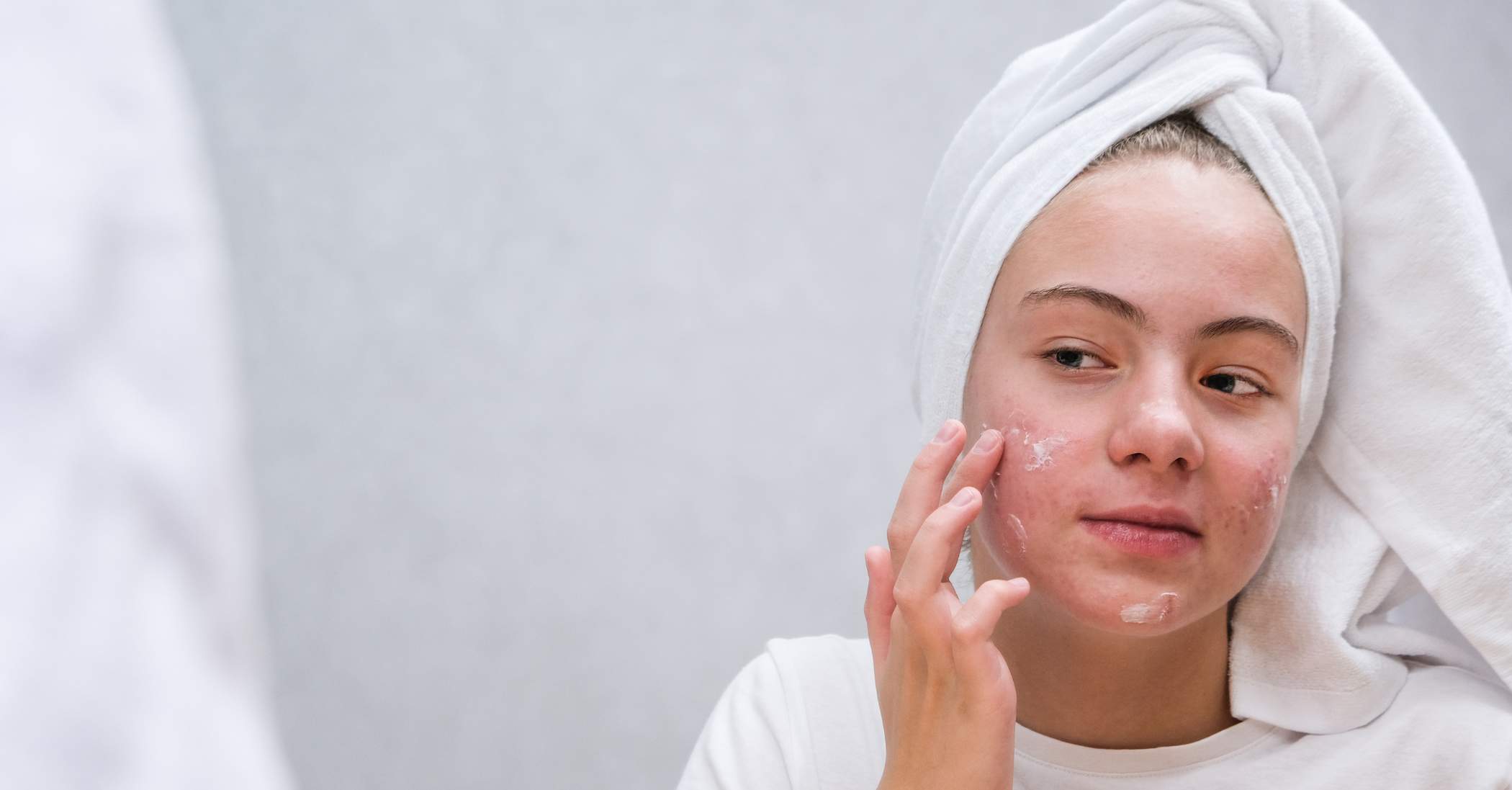
How to make hormonal acne go away?
Treating hormonal acne requires a combination of skincare routines, lifestyle changes, and professional treatments. Here are effective strategies to manage and reduce hormonal acne:
Topical Treatments
- Retinoids: Products like tretinoin unclog pores, reduce inflammation, and boost cell turnover. Start with a low concentration to avoid irritation.
- Benzoyl Peroxide: This over-the-counter treatment kills acne-causing bacteria and reduces oil production. Use it as a spot treatment or part of your skincare routine.
- Salicylic Acid: Its exfoliating properties clear clogged pores and prevent new breakouts. Found in cleansers, toners, and spot treatments, it’s highly effective.
Oral Medications
- Birth Control Pills: These help regulate hormones and decrease androgens, reducing acne in women.
- Spironolactone: Often prescribed for hormonal acne, it blocks androgen receptors to reduce oil production.
- Oral Antibiotics: Medications like doxycycline or minocycline reduce bacteria and inflammation, offering short-term relief for severe cases.
Lifestyle Changes
- Diet: Follow a low-glycemic diet rich in fruits, vegetables, and whole grains. Limit dairy and high-sugar foods to minimize breakouts.
- Stress Management: Reduce stress with yoga, meditation, or regular exercise to prevent flare-ups.
- Skincare Routine: Use gentle, non-comedogenic products and maintain a consistent routine of cleansing, toning, and moisturizing.
Professional Treatments
- Chemical Peels: Exfoliate the skin, remove dead cells, and improve texture while reducing acne and scarring.
- Laser Therapy: Targets deeper skin layers to treat acne and promote healing.
- Hormonal Therapy: Medications like oral contraceptives or anti-androgens can help manage severe cases by regulating hormone levels.
Natural Remedies
- Tea Tree Oil: Known for its antibacterial properties, it works well as a spot treatment for acne.
- Aloe Vera: Reduces inflammation and promotes healing. Apply gel directly to the affected areas for soothing relief.
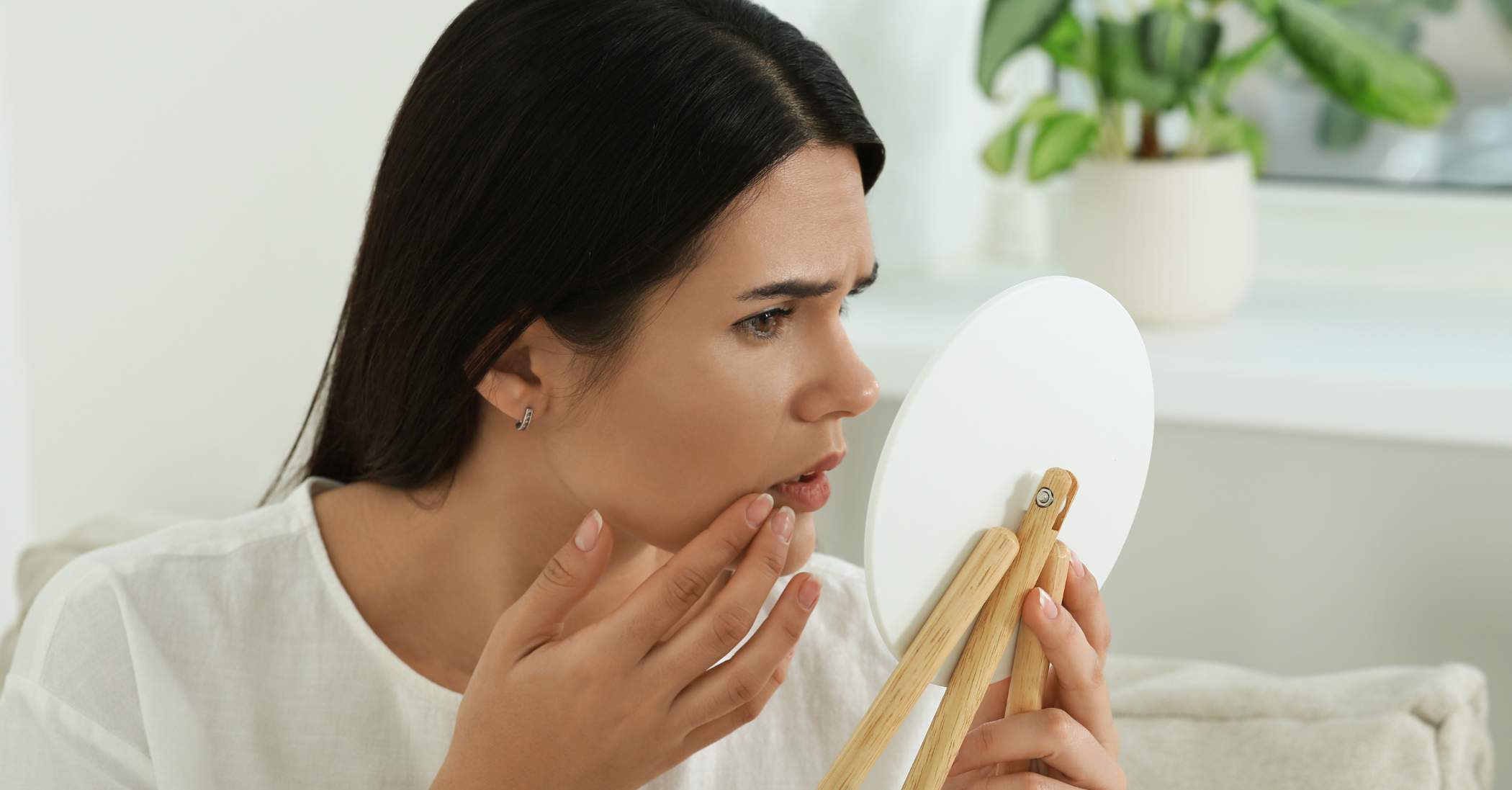
At what age does hormonal acne stop?
Hormonal acne typically subsides as hormonal fluctuations stabilize, often improving in the late 20s or early 30s. However, some individuals may continue to experience breakouts into their 30s or even 40s, depending on factors like genetics and lifestyle.
Acne Treatment Services at Vancouver Laser & Skin Care Centre
At Vancouver Laser & Skin Care Centre, we understand how frustrating and challenging acne can be. Our team of experienced professionals is dedicated to helping you achieve clear, healthy skin through personalized treatments tailored to your unique needs.
Why Choose Us?
- Experienced Professionals: Our team includes skilled dermatologists and skincare specialists who stay updated with the latest advancements in acne treatments, ensuring expert care.
- State-of-the-Art Technology: We use cutting-edge tools and techniques for safe, effective results.
Comprehensive Care: From your first consultation to post-treatment support, we provide end-to-end care designed to help you achieve and maintain clear skin.