Hyperhidrosis is a medical condition in which excessive sweating occurs beyond what the body needs to regulate temperature. Unlike typical sweating, which happens during high temperatures, physical activity, or stress, hyperhidrosis can occur spontaneously without any clear triggers.
While sweating helps regulate body temperature and eliminate toxins, excessive sweating can interfere with daily activities and significantly reduce quality of life. In this blog, we’ll explore the causes, symptoms, and treatment options for hyperhidrosis to provide a comprehensive understanding of this condition.
What is hyperhidrosis?
Hyperhidrosis is a condition in which the body sweats excessively, producing more perspiration than necessary to regulate temperature. This excessive sweating can occur unexpectedly, even when you’re at rest or in cool weather.
Sweat, produced by eccrine glands, is an odorless fluid that helps cool the body and prevent overheating. The eccrine glands, located in the skin, release sweat through ducts to the surface, where it evaporates and cools the skin. In cases of hyperhidrosis, these glands are overactive, leading to sweating that goes beyond the body’s needs.
Common Symptoms of Hyperhidrosis
The main symptom of hyperhidrosis is excessive sweating that goes beyond what’s needed for temperature regulation. Key symptoms include:
- Visible Sweating: Noticeable sweating that soaks through clothing or drips from the hands and face, even in cool environments or during inactivity.
- Frequent Episodes: Regular episodes of sweating that occur at least once a week, often without clear triggers.
- Localized Sweating: Excessive sweating in specific areas, such as the palms, soles, underarms, face, or scalp. In primary hyperhidrosis, these areas tend to be symmetrical.
- Skin Issues: Skin problems, including maceration (softened skin from prolonged moisture), infections, or irritation, can develop in areas with excessive sweating.
- Odor: An unpleasant odor may occur due to the interaction between sweat and bacteria on the skin.
How is hyperhidrosis diagnosed?
Diagnosing hyperhidrosis involves a combination of medical history, physical examination, and specific tests to assess the condition’s type and severity.
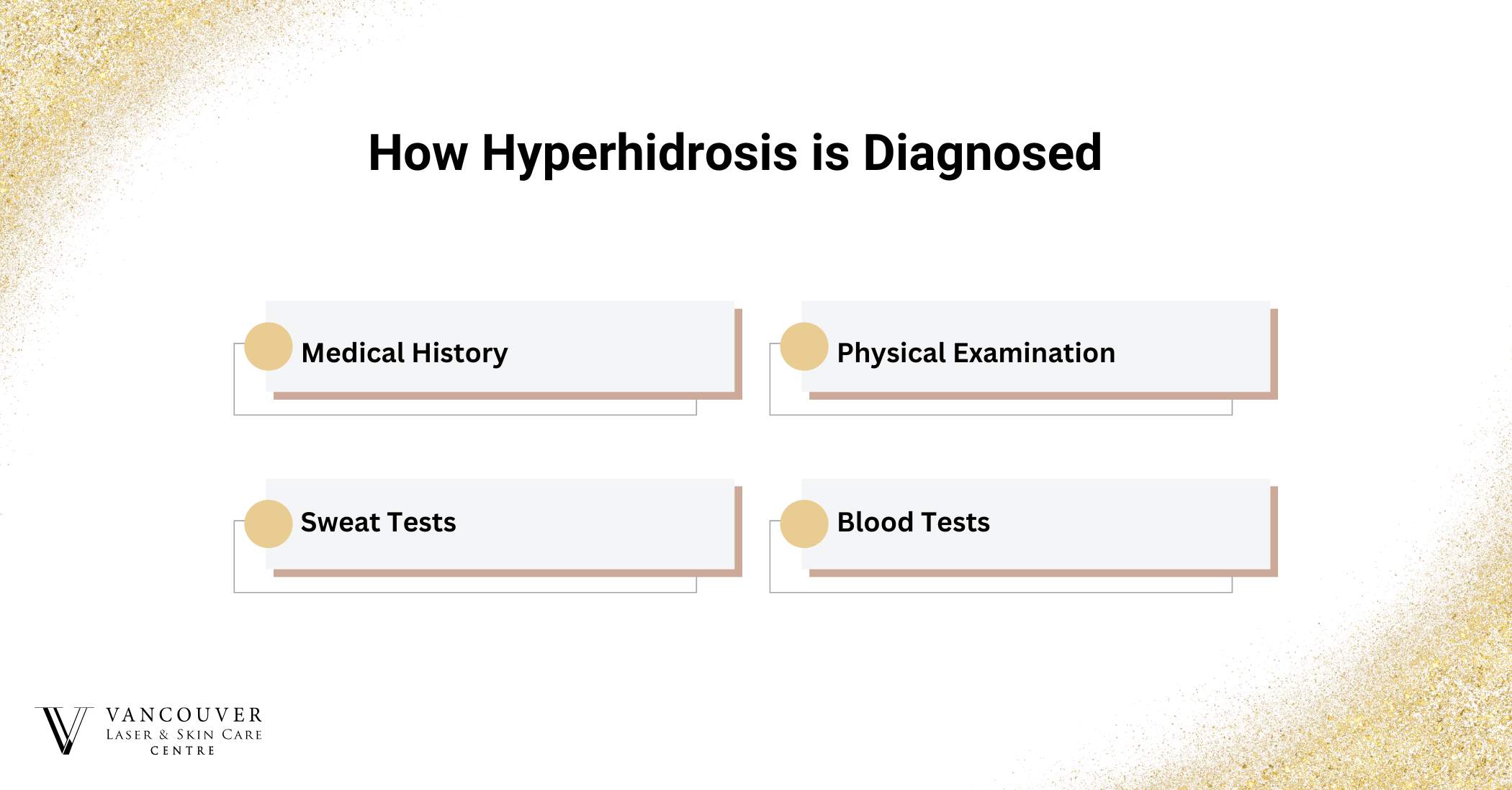
- Medical History: The doctor reviews the patient’s history, noting the onset, frequency, and pattern of sweating episodes, as well as any family history of hyperhidrosis or related symptoms.
- Physical Examination: A thorough physical exam helps identify the areas affected by excessive sweating and rule out other potential causes.
- Sweat Tests: These tests measure sweat production and pinpoint affected areas:
- Starch-Iodine Test: An iodine solution is applied to the skin, followed by starch powder. Areas of excessive sweating turn blue-black, indicating hyperhidrosis.
- Paper Test: Special paper placed on the skin absorbs sweat and is weighed to determine sweat volume.
- Blood Tests: Blood tests may be conducted to detect underlying medical conditions, such as thyroid issues or infections, that could cause secondary hyperhidrosis.
Types of Hyperhidrosis
Understanding the types of hyperhidrosis is essential for choosing effective treatment and management strategies. Hyperhidrosis is generally classified into two main types: primary (focal) hyperhidrosis and secondary (generalized) hyperhidrosis.
Primary Focal Hyperhidrosis
Primary hyperhidrosis is the most common type, involving excessive sweating in specific areas like the hands, feet, underarms, and face. This form often begins in childhood or adolescence and may have a genetic component.
- Triggers: Often triggered by emotional stimuli, such as anxiety, stress, or excitement. However, it can also occur without any apparent cause.
- Affected Areas: Typically affects symmetrical body regions, like both hands or both underarms.
- Pattern: Episodes occur at least once a week and are usually unrelated to temperature or physical activity levels.
Secondary Generalized Hyperhidrosis
Secondary hyperhidrosis is less common and involves excessive sweating over larger areas or the entire body. It is usually linked to an underlying medical condition or medication side effects.
- Medical Conditions: Can be caused by conditions such as endocrine disorders (e.g., hyperthyroidism), infections, cardiovascular diseases, menopause, and neurological disorders.
- Medications: Certain medications, like antidepressants, antipsychotics, and diabetes drugs, can cause excessive sweating as a side effect.
- Pattern: Unlike primary hyperhidrosis, it can occur during sleep (night sweats) and is often asymmetrical. It usually relates to an underlying condition or medication use.

What causes hyperhidrosis?
Hyperhidrosis can arise from various factors, depending on whether it is primary or secondary. Understanding these root causes is essential for selecting effective treatment strategies.
Primary Hyperhidrosis
Primary hyperhidrosis is usually not linked to other medical conditions and often has no identifiable cause. However, certain factors may contribute to its development:
- Genetic Factors: Primary hyperhidrosis often has a hereditary component, with many individuals having a family history of excessive sweating.
- Sympathetic Nervous System Overactivity: The main cause of primary hyperhidrosis is believed to be an overactive sympathetic nervous system. This part of the autonomic nervous system regulates sweat glands, and overstimulation can lead to excessive sweating without typical triggers like heat or physical activity.
Secondary Hyperhidrosis
Secondary hyperhidrosis is typically a symptom of an underlying medical condition or a side effect of medications. Common causes include:
- Endocrine Disorders: Conditions like hyperthyroidism, diabetes, and menopause can lead to excessive sweating due to hormonal imbalances affecting sweat gland activity.
- Infections: Certain infections, especially those that cause fever, can increase sweating. Notable examples include tuberculosis and HIV.
- Neurological Conditions: Disorders affecting the nervous system, such as Parkinson’s disease, spinal cord injuries, and stroke, can disrupt normal sweat regulation, leading to excessive sweating.
- Medications: Certain medications, including antidepressants, antipyretics, and drugs for diabetes or high blood pressure, may induce sweating as a side effect.
- Cardiovascular Conditions: Heart conditions, particularly congestive heart failure, are sometimes associated with excessive sweating.
- Cancer: Some cancers, such as lymphoma, can cause increased sweating, especially night sweats.
How can I manage my hyperhidrosis?
Managing hyperhidrosis can be challenging, but there are several effective treatment options. Whether sweating affects specific areas or is widespread, these strategies can help reduce symptoms:
Topical Treatments
- Antiperspirants: Over-the-counter or prescription-strength antiperspirants with aluminum chloride are often the first treatment option. Applied to affected areas, these block sweat glands and reduce perspiration.
- Prescription Creams: For specific areas, such as the face and scalp, prescription creams with glycopyrrolate can effectively reduce sweating.
Oral Medications
- Anticholinergics: Medications like oxybutynin and glycopyrrolate reduce sweating by blocking chemical signals to sweat glands. Potential side effects include dry mouth and blurred vision.
- Beta Blockers and Benzodiazepines: For stress-related hyperhidrosis, these medications help manage symptoms by reducing anxiety and stress.
Medical Procedures
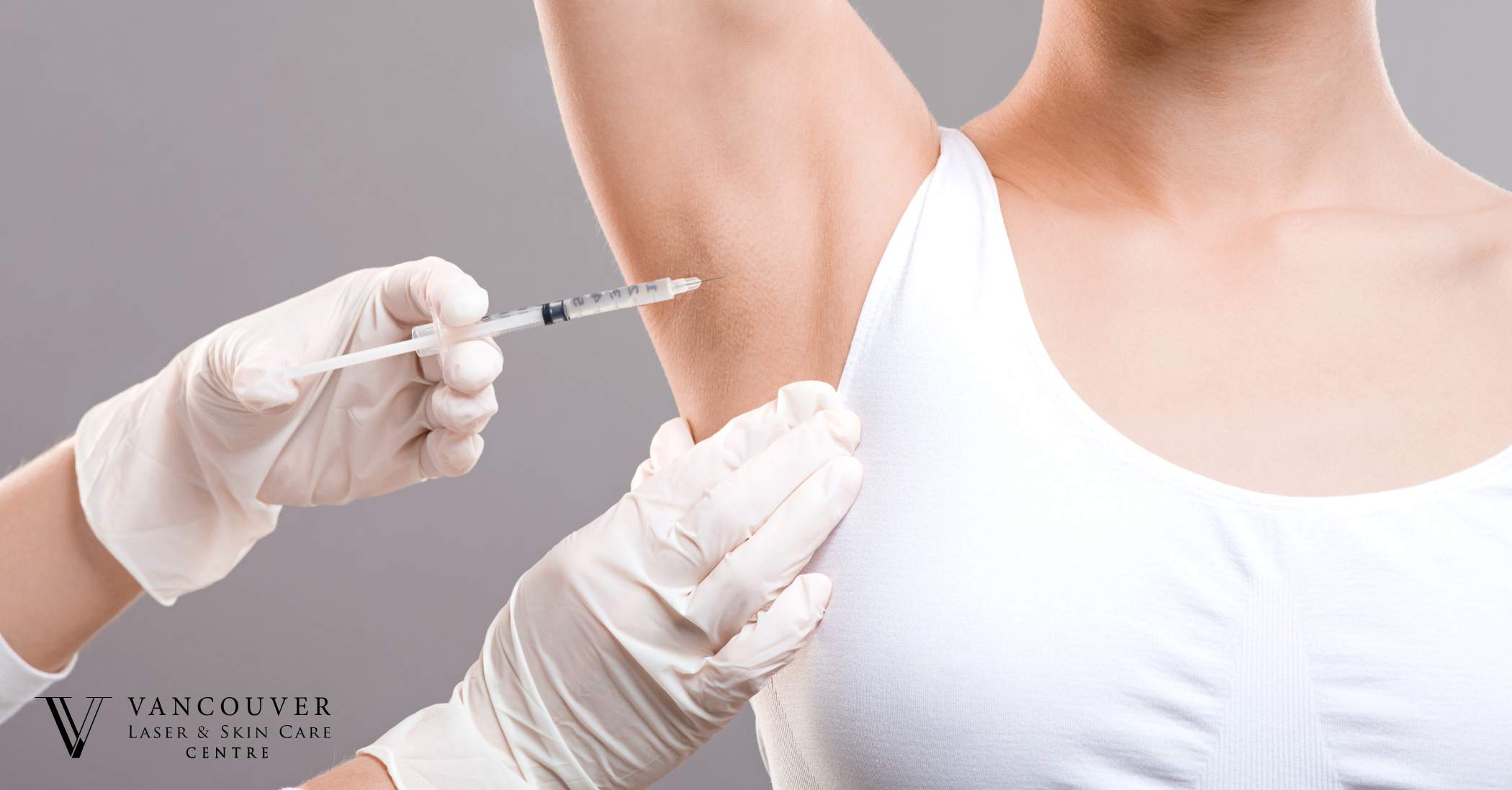
- Botox Injections: FDA-approved for treating severe underarm sweating, Botox injections are also effective for the palms. By blocking nerve signals to sweat glands, they provide relief lasting several months. Treatment typically requires 1-2 vials (100-200 units). In Vancouver Laser, costs are calculated per vial plus an injection fee.
Note: For palm treatments, numbing is required. In Vancouver Laser, the procedure is typically performed by our registered nurses unless specifically requested otherwise. Treatments by doctors incur a higher injection fee.
- Iontophoresis: This procedure involves using a device to pass a mild electrical current through water and into the skin. It’s especially effective for palmoplantar hyperhidrosis (sweaty hands and feet).
- Microwave Therapy (miraDry): This treatment uses microwave energy to destroy underarm sweat glands, providing long-term relief from excessive sweating.
Surgical Options
- Endoscopic Thoracic Sympathectomy (ETS): For severe cases unresponsive to other treatments, ETS surgery may be considered. This involves cutting or clamping sympathetic nerves to reduce sweating but carries the risk of compensatory sweating elsewhere on the body.
- Sweat Gland Removal: In some cases, surgical removal of underarm sweat glands can be performed to reduce sweating in that area.
Remember, hyperhidrosis is a manageable condition. With the right treatment approach, you can significantly reduce its impact on daily life. At Vancouver Laser, the largest non-invasive hyperhidrosis clinic in Vancouver, we offer personalized solutions tailored to your needs. Contact us today to explore effective treatment options and start developing a plan that helps you take control of excessive sweating.
FAQs
1. What causes hyperhidrosis?
Hyperhidrosis can be hereditary (primary hyperhidrosis) or result from medical conditions like diabetes, thyroid issues, infections, or medication side effects (secondary hyperhidrosis).
2. Is hyperhidrosis curable?
There is no permanent cure, but treatments such as antiperspirants, medications, Botox, and microwave therapy can effectively manage symptoms and reduce discomfort.
3. Are there any risks associated with hyperhidrosis treatments?
Yes, some treatments can have side effects, including dry mouth, muscle weakness, or compensatory sweating. It’s important to discuss these potential risks with your healthcare provider to choose the best option for you.